

Most automation projects fail not because AI is weak — but because workflow reliability is underestimated. Emails arrive late. Humans respond days later. Systems crash. SAP has no API. If your automation cannot pause, retry, resume, and audit, it will eventually break.
Read More
引言 过去几年,RPA(机器人流程自动化) 被广泛用于提升效率, 通过模拟人工操作来完成大量重复性工作。 与此同时,AI(人工智能) 被寄予厚望,希望它能够理解文档、辅助判断、提高决策质量。 但在实际落地过程中,越来越多的企业发现一个现实问题: 只有 RPA,系统会变得脆弱 只有 AI,系统难以被信任 二者若没有治理机制,最终都会失败
Read More
はじめに RPA(Robotic Process Automation)は、 人の操作を模倣することで業務を高速化する技術として普及しました。 一方、AI(人工知能)は、 文書理解や判断支援を通じて業務を高度化する存在として期待されています。
Read More
บทนำ ในช่วงหลายปีที่ผ่านมา RPA (Robotic Process Automation) ถูกนำมาใช้เพื่อเร่งความเร็วงานซ้ำ ๆ ขณะที่ AI (Artificial Intelligence) ถูกคาดหวังให้ช่วยตัดสินใจและวิเคราะห์ข้อมูลแทนมนุษย์ แต่ในความเป็นจริง หลายองค์กรในประเทศไทยกลับพบว่า RPA อย่างเดียวทำให้ระบบเปราะบาง AI อย่างเดียวทำให้ควบคุมยาก และทั้งสองจะล้มเหลว หากไม่มีโครงสร้างการกำกับที่ดี
Read More
Robotic Process Automation (RPA) promised fast efficiency gains by letting software “robots” mimic human actions. Artificial Intelligence (AI) promised smarter decisions by learning from data. Individually, both technologies delivered value — and also disappointment.
Read More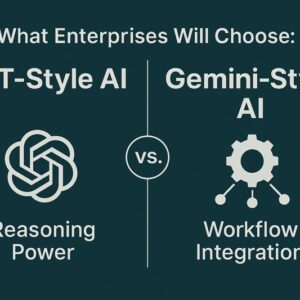
随着 AI 能力的快速提升,越来越多的中国企业开始讨论一个问题: “我们应该用 ChatGPT,还是用 Gemini?” 但在企业层面,这其实不是一个“选模型”的问题。 真正关键的是:
Read More
AI の進化が加速する中、多くの企業が次のように考えています。 「ChatGPT と Gemini、どちらを導入すべきか?」 しかし、実務レベルで本当に重要なのは モデルの優劣ではありません。
Read More
เมื่อ AI พัฒนาเร็วขึ้น หลายองค์กรในไทยกำลังตั้งคำถามว่า “เราควรเลือกใช้ ChatGPT หรือ Google Gemini ดี?” แต่ในความเป็นจริง คำถามที่สำคัญกว่าคือ “AI แบบไหนเหมาะกับวิธีการทำงานขององค์กรเรา?” เพราะองค์กรไม่ได้เลือกแค่ “โมเดล” แต่กำลังเลือก แนวคิดของ AI ที่แตกต่างกันอย่างชัดเจน
Read More
As AI models rapidly improve, many enterprise leaders are asking the wrong question:
Read More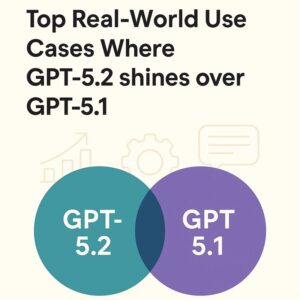
在上一篇 《用简单类比解释 GPT-5.2 vs GPT-5.1》 发布后,我们收到了许多来自中国读者的反馈,其中最常见的问题是:
Read More