
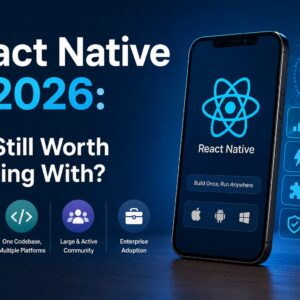
React Native ถูกประกาศว่า "ตาย" อย่างน้อยสี่ครั้งในหกปีที่ผ่านมา แต่มันไม่ได้ตายตอนนั้น และไม่ตายตอนนี้เช่นกัน — อย่างไรก็ตาม มันเปลี่ยนแปลงไปอย่างมีนัยสำคัญ
Read More
React Native has been declared dead at least four times in the last six years. It wasn’t dead then, and it isn’t dead now — but it has changed substantially.
Read More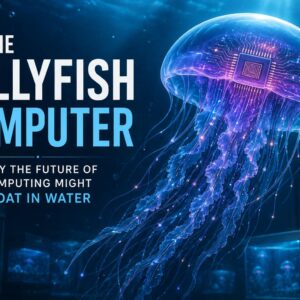
如果下一代计算基础设施看起来不像服务器机架,而更像一个水族箱,会怎样?
Read More
次世代のコンピューティングインフラが、サーバーラックではなく水槽に近い姿をしていたとしたら、どうだろうか。
Read More
ลองจินตนาการว่า โครงสร้างพื้นฐานด้านการประมวลผลยุคหน้าจะมีหน้าตาไม่เหมือนแร็คเซิร์ฟเวอร์ แต่คล้ายตู้ปลามากกว่า
Read More
What if the next generation of computing infrastructure looked less like a server rack and more like an aquarium?
Read More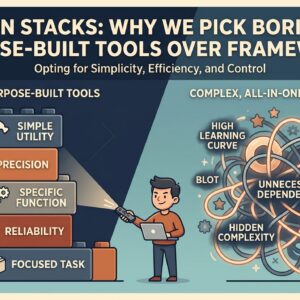
几乎每个项目启动会上,都会有那么一刻,有人提议用"那个大框架"——有自己的技术大会、有认证课程、有"企业版"套餐,还有一页声称无所不能的幻灯片。而几乎每一次,选了它,就是这个项目第一个悄无声息的错误。
Read More
プロジェクトのキックオフでは、ほぼ必ずと言っていいほど「あの大きなフレームワークを使おう」という提案が出る瞬間があります。専用のカンファレンスがあり、認定資格コースがあり、「エンタープライズ」プランがあり、「これ一つで何でもできる」と謳うスライドがある、あのフレームワークです。そして多くの場合、それを選ぶことこそが、プロジェクトにおける最初の静かな過ちとなります。
Read More
ในการเริ่มต้นโปรเจกต์แทบทุกครั้ง จะมีช่วงหนึ่งที่มีคนเสนอให้ใช้ "เฟรมเวิร์กตัวใหญ่" ตัวที่มีงานสัมมนาเป็นของตัวเอง มีคอร์สอบรมใบประกาศ มีแพ็กเกจระดับ "เอนเตอร์ไพรส์" และมีสไลด์ที่บอกว่ามันทำได้ทุกอย่าง และเกือบทุกครั้ง การเลือกตัวนั้นมักจะเป็นความผิดพลาดเงียบ ๆ ครั้งแรกของโปรเจกต์
Read More
There’s a moment in almost every project kickoff where someone proposes the framework. The big one. The one with the conference, the certification track, the "enterprise" tier, and the slide that promises it does everything. And almost every time, choosing it is the first quiet mistake of the project.
Read More