
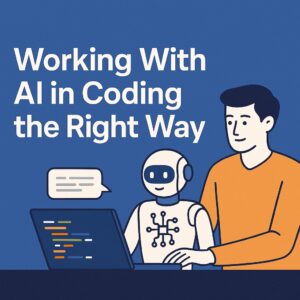
🔹 Introduction Artificial intelligence is transforming software development. Today, tools like Codex, GitHub Copilot, and LLM-powered editors such as Neovim and VSCode integrations can autocomplete entire functions, generate boilerplate, or even explain cryptic error messages. For many developers, it feels like having an extra set of hands on the keyboard.
Read More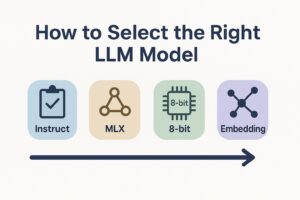
LLM(Large Language Model)の選択は、目的・ハードウェア・効率性の要件 によって変わります。 すべてのモデルが同じ用途向けではありません。あるものは チャットやアシスタント に、あるものは Mac(Apple Silicon)向け最適化 に、あるものは 軽量化(量子化) に、そしてあるものは セマンティック検索 に適しています。
Read More
การเลือกโมเดล LLM (Large Language Model) ที่ถูกต้องขึ้นอยู่กับ เป้าหมายการใช้งาน ฮาร์ดแวร์ และความต้องการด้านประสิทธิภาพ เพราะแต่ละโมเดลถูกออกแบบมาแตกต่างกัน: บางตัวเหมาะกับ แชทและผู้ช่วย, บางตัวเหมาะกับ การทำงานบนเครื่องแมค (Apple Silicon), บางตัวเหมาะกับ การใช้งานแบบประหยัดทรัพยากร, และบางตัวใช้สำหรับ การค้นหาความหมาย (semantic search)
Read More
Choosing the right Large Language Model (LLM) depends on your goal, hardware, and efficiency requirements. Not all models are built for the same purpose: some are tuned for chat, some for local optimization, some for lightweight inference, and others for semantic search.
Read More
生産性向上・データ保護・コスト削減を、自分のコンピュータ上で動く AI で実現
Read More
เพิ่มประสิทธิภาพ ปกป้องข้อมูล และลดค่าใช้จ่ายด้วย AI ที่รันบนคอมพิวเตอร์ของคุณเอง
Read More
Boost productivity, protect privacy, and cut costs by running AI locally.
Read More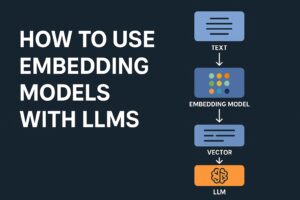
最近では 大規模言語モデル(LLM)、たとえば GPT-4、Llama-3、Qwen2.5 などが大きな注目を集めています。 しかし、LLMをあなた独自のデータで効果的に活用するには、もう一つのモデル — Embeddingモデル — が必要です。
Read More
ทุกวันนี้ โมเดลภาษาแบบขนาดใหญ่ (LLMs) เช่น GPT-4, Llama-3 หรือ Qwen2.5 เป็นที่พูดถึงอย่างมาก แต่ถ้าคุณต้องการให้ LLM ทำงานกับข้อมูลของคุณได้จริง คุณจะต้องใช้โมเดลอีกชนิดหนึ่งควบคู่กันไป นั่นคือ โมเดล Embedding
Read More
In today’s AI landscape, Large Language Models (LLMs) like GPT-4, Llama-3, or Qwen2.5 grab all the headlines — but if you want them to work with your data, you need another type of model alongside them: embedding models.
Read More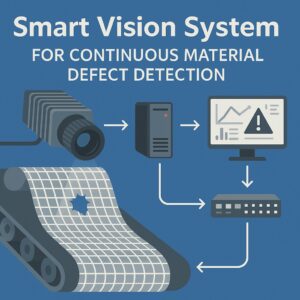
漁網、繊維などに対応するスケーラブル検査ソリューション
Read More
โซลูชันตรวจสอบแบบขยายขนาดได้ สำหรับอวนประมง สิ่งทอ และอื่นๆ
Read More
Scalable Inspection Solution for Fishing Nets, Textiles, and More
Read More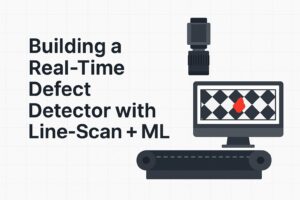
TL;DR(要点まとめ) フィルム、紙、織物、ワイヤー、チューブ、金属板などの連続移動物に最適 設計初期に決めるべき:視野 (FOV)、最小検出サイズ、搬送速度、作業距離 (WD) レンズの焦点距離で視野を決定。小さな欠陥には3〜5ピクセル以上必要 エンコーダでラインスキャンの縦軸スケールを安定化=正確な寸法計測とAI認識が可能 一般的なフロー:カメラ → タイル化 → 前処理 → 欠陥検出(CVまたはML) → UI/出力/記録 **絞り(f値)**は f/5.6 からスタート(照明次第で調整)
Read More
TL;DR เหมาะกับการตรวจจับสิ่งที่เคลื่อนที่ เช่น ฟิล์ม กระดาษ สิ่งทอ ลวด ท่อ แผ่นเหล็ก ฯลฯ เริ่มจากกำหนด: ระยะการมองเห็น (FOV), ขนาดตำหนิที่เล็กที่สุด, ความเร็วของสายพาน, ระยะทำงาน (WD) เลือกเลนส์ให้ระยะทำงานและมุมมองครอบคลุมชิ้นงาน ใช้ Encoder เพื่อล็อคอัตราส่วนพิกเซลให้เที่ยงตรง Pipeline: กล้อง → ดึงภาพ → แบ่ง Tile → ปรับแต่ง → ตรวจจับ (CV/ML) → แจ้งเตือน/แสดงผล/เก็บข้อมูล เริ่มที่ f-number ≈ f/5.6 เพื่อบาลานซ์ความลึกของภาพและความสว่าง
Read More
TL;DR Use line-scan for moving/continuous stuff: film, foil, paper, textiles, wire, pipes, board edges, etc. Decide early: field of view (FOV), smallest defect, speed, working distance (WD). Lens: pick focal length so FOV at your WD matches product width; keep ≥3–5 px on the smallest defect. Encoder on the motion path → square pixels and […]
Read More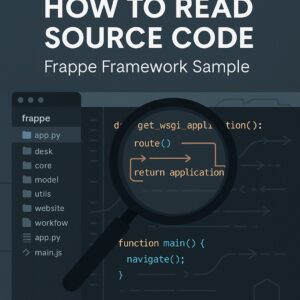
ソースコードを読むことは、開発者にとって最強のスキルです。 OSS へのコントリビュート、バグ修正、あるいは仕組みを深く知りたい場合でも、大規模なコードベースを理解できる能力は不可欠です。
Read More
การอ่านซอร์สโค้ดคือสุดยอดทักษะของนักพัฒนา ไม่ว่าคุณจะต้องการ contribute โอเพนซอร์ส แก้บั๊ก หรือแค่อยากรู้ว่าระบบที่คุณใช้ทำงานอย่างไร “การอ่านและเข้าใจโค้ดขนาดใหญ่” คือทักษะสำคัญ
Read More
Reading source code is a superpower for any developer. Whether you want to contribute to open-source, debug an issue, or just satisfy your curiosity about how your favorite tools work under the hood, being able to navigate and understand a large codebase is essential.
Read More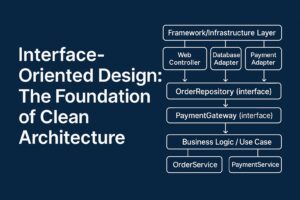
はじめに 現代のソフトウェア設計では、「変更に強く、保守しやすく、拡張可能」であることが重要です。 クリーンアーキテクチャ(Clean Architecture) は、その実現手法として広く使われています。 しかし、その力の源は「Interface-Oriented Design(インターフェース指向設計)」という考え方にあります。
Read More