
Introduction
Durian is a high-value fruit, especially in Southeast Asia, where countries like Thailand are major producers. However, durian farming requires close monitoring of various factors, such as soil moisture, temperature, and rainfall. Integrating IoT (Internet of Things) technology with machine learning can help farmers predict and optimize their farming processes for better efficiency and productivity.
This article explains how to integrate sensor data from a durian farm with machine learning libraries in Python and visualize the results on a dashboard. This setup allows farmers to make data-driven decisions to manage their farms more effectively.
System Components
1. IoT Sensors for Farming
In a durian farm, IoT sensors can be installed to monitor environmental factors such as:
- Soil moisture sensors
- Temperature sensors
- Sunlight intensity sensors
-
Rainfall measurement devices
Data collected from these sensors are sent to a computer system for processing and stored in a database.
2. Using Python Machine Learning Libraries
Sensor data can be analyzed using Python machine learning libraries such as Scikit-Learn, XGBoost, or TensorFlow. These libraries enable predictions and decision-making in farm management. For example:
- Predicting when to irrigate the crops
- Detecting plant diseases from sensor data or images of leaves and durian fruits
- Analyzing trends in yield based on weather conditions
3. Dashboard for Data Visualization
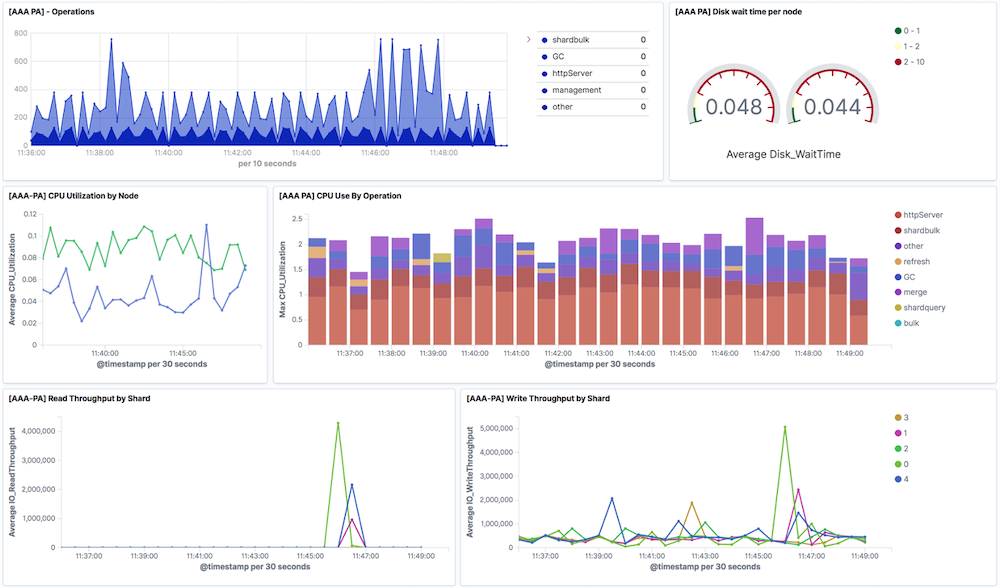
To make the data and predictions accessible to farmers, the information can be displayed on a user-friendly dashboard. Tools like Plotly Dash, Grafana, or OpenSearch Dashboards can be used to create real-time graphs and visualizations, enabling farmers to track key metrics easily.
Workflow
1. Collecting Data from Sensors
Sensor data, such as soil moisture and temperature, is collected and sent to the server, where it is stored in a database. This data will be used to predict and manage farming conditions.
2. Processing and Predictions
The collected sensor data is processed using Python machine learning libraries. Here are some use cases:
-
Soil Moisture Prediction: Using past soil moisture data, a Linear Regression model from Scikit-Learn can be used to predict when to irrigate the farm.
from sklearn.linear_model import LinearRegression import numpy as np # Sensor data for soil moisture moisture_data = np.array([[1, 35], [2, 30], [3, 28], [4, 27], [5, 25]]) # [day, moisture level] X = moisture_data[:, 0].reshape(-1, 1) # day y = moisture_data[:, 1] # moisture level # Building a Linear Regression model model = LinearRegression() model.fit(X, y) # Predicting moisture level for the next day next_day = np.array([[6]]) # day 6 predicted_moisture = model.predict(next_day) print(f"Predicted soil moisture for day 6: {predicted_moisture[0]}%")- Disease Detection: Using TensorFlow or PyTorch, deep learning models can be trained to detect plant diseases from images of leaves or fruits captured by drones or installed cameras in the farm.
3. Displaying Results on a Dashboard
Once predictions are made, the data can be displayed on a dashboard for easy tracking and planning. The dashboard can show key information such as:
- Soil moisture levels in different areas of the farm
- Predictions for the best harvesting times
-
Alerts related to plant disease detection or unfavorable weather conditions
Example of creating a graph in a dashboard using Plotly Dash:
import dash
import dash_core_components as dcc
import dash_html_components as html
import plotly.graph_objs as go

app = dash.Dash(__name__)

# Graph data showing soil moisture levels
data = [
   go.Scatter(x=[1, 2, 3, 4, 5], y=[35, 30, 28, 27, 25], mode='lines+markers', name='Soil Moisture')
]

app.layout = html.Div(children=[
   html.H1('Durian Farm Dashboard'),
   dcc.Graph(
       id='soil-moisture-graph',
       figure={
           'data': data,
           'layout': go.Layout(title='Soil Moisture Over Time', xaxis={'title': 'Day'}, yaxis={'title': 'Moisture (%)'})
       }
   )
])

if __name__ == '__main__':
   app.run_server(debug=True)
4. Automated Alerts
The system can also send automated alerts, such as when soil moisture drops below a critical threshold or when temperatures exceed optimal levels. These alerts can be sent directly to the farmer’s smartphone for immediate action.
Use Case: Automated Irrigation Based on Soil Moisture Predictions
Mr. Somchai, a durian farmer in southern Thailand, experiences rapidly changing weather conditions. He installed soil moisture and temperature sensors throughout his farm. The sensor data is analyzed using a machine learning model that predicts when irrigation is needed to maintain optimal moisture levels.
Somchai can track the analysis on a dashboard via his smartphone, receiving alerts when it’s time to irrigate or when there are signs of adverse weather conditions that could harm the crops. This system helps him save time, reduce water wastage, and improve the quality of his durian yield.
Conclusion
By integrating IoT, machine learning, and dashboards, durian farming can become more efficient and data-driven. Farmers can control and predict various factors in the farm, reducing costs, increasing yield, and mitigating risks from environmental changes. This technology is a key enabler for the future of smart farming, allowing farmers to make precise decisions that enhance their operations.
Latest Posts
- Your Attacker Might Already Be an AI Agent: What the OpenAI–Hugging Face Incident Means for Your SOC August 17, 2026
- Implementing ERPNext: A Practical Guide to the System, Its Document Model, and Core Workflows August 15, 2026
- Why Accounting Firms Are Moving Off Per-Seat Software — and What It Actually Takes August 10, 2026
- Implementing OCPI 2.2.1: A Developer’s Guide to Locations, Sessions, and CDRs August 7, 2026
- OCPI Explained: What CPOs and eMSPs Actually Need to Build for EV Roaming August 7, 2026
- The Landlocked Sea Bass: Building an Automated Feeding System for Marine Fish Far From the Ocean July 31, 2026