7 Real-World Machine Learning System Use Cases Transforming Businesses & Factories
Modern companies are no longer asking “Should we use AI?”
Now they’re asking: “How do we design machine learning systems that deliver real business value?”
Behind every successful AI product is not only a model — but a system:
- strong data pipelines
- automated retraining
- real-time monitoring
- scalable deployment
- human-in-the-loop feedback
This article highlights 7 practical use cases where ML systems are already transforming operations in factories, logistics, recycling operations, SaaS businesses, and industrial environments.
1. Automated Defect Detection on the Production Line
AI-based vision systems now outperform human inspectors.
How It Works
- Cameras capture parts on the conveyor
- Data pipeline sends images to storage
- Model (CNN/ViT) detects scratches, dents, defects in real time
- System alerts operator or triggers sorting gate
Value for Factories
- Lower defect rate
- Consistent quality
- Faster inspection
- Data to improve production processes
2. Predictive Maintenance for Machines
Unplanned machine downtime can cost millions.
ML changes the game by predicting failures before they happen.
How It Works
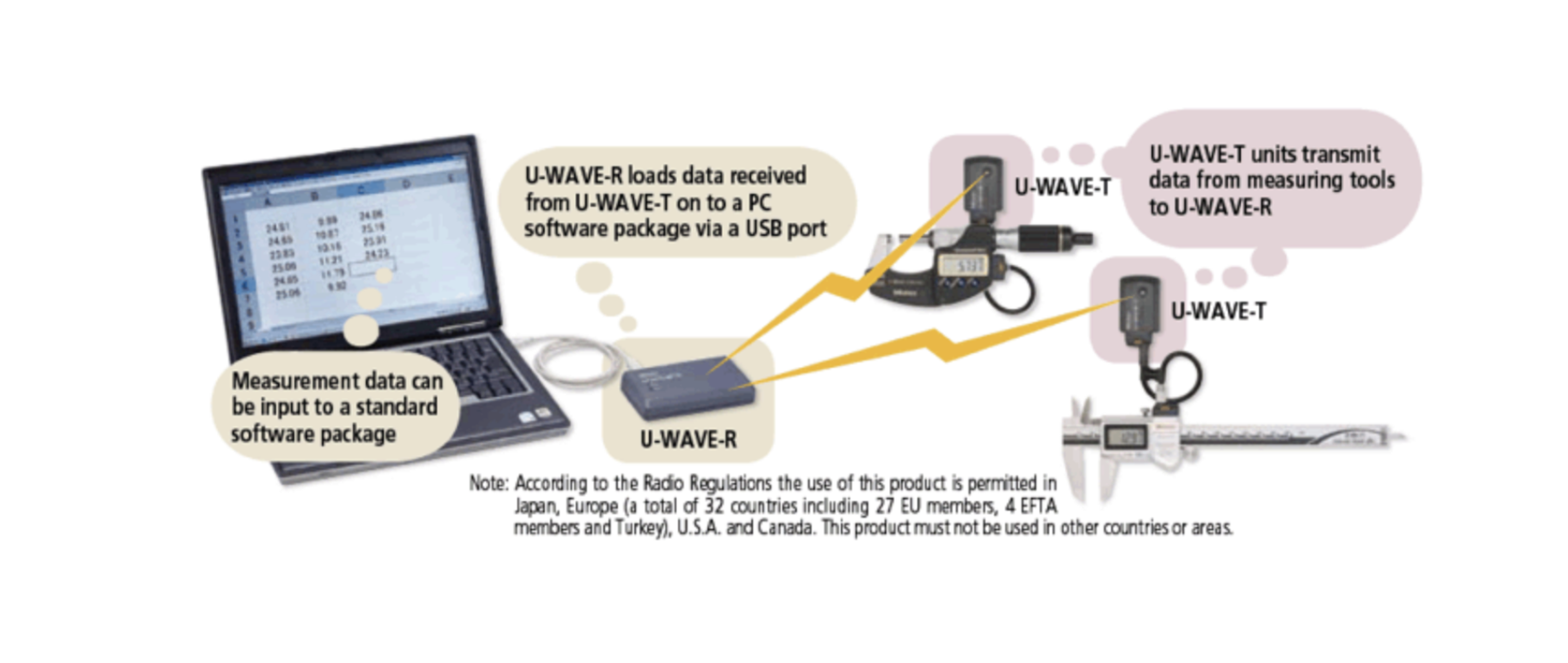
- Sensors read vibration, temperature, pressure
- LSTM/Temporal CNN predicts anomaly score
- Alerts sent before breakdown
- Historical data retrains the system automatically
Value
- Reduce downtime
- Increase machine lifespan
- Optimize spare parts inventory
3. Demand Forecasting & Inventory Optimization
AI helps factories and retail supply chains understand:
- how much inventory to prepare
- when demand will spike
- how to avoid overstock or understock
How It Works
- Sales + seasonality + promotions + weather → unified dataset
- Forecasting models (XGBoost, Prophet, DeepAR) predict demand
- ERP receives recommended purchase quantities
Value
- Higher availability
- Lower inventory waste
- Faster planning cycles
4. Worker Safety Monitoring (PPE & Dangerous Zones)
Computer vision can detect unsafe behavior:
- missing helmet/vest
- entering restricted zones
- operating unsafe machinery
How It Works
- Real-time detection via YOLO/DETR
- Integrated alert system
- Safety dashboard for reporting
Value
- Fewer accidents
- Better compliance
- Reduced insurance cost
5. Customer Churn Prediction for SaaS Businesses
SaaS companies lose revenue every month when customers stop using the platform.
ML identifies high-risk customers early.
How It Works
- Logins, usage pattern, billing history → features
- Churn model classifies customers into risk levels
- CRM triggers retention campaigns
Value
- Increase monthly recurring revenue
- Improve customer satisfaction
- Prioritize high-impact retention work
6. AI-Powered Material Sorting (Recycling & Scrap Factories)
Factories and recycling centers need efficient, accurate material classification:
- copper
- aluminum
- steel
- plastic
- mixed scrap
How It Works
- Cameras + sensors capture scrap pieces
- ML model identifies material type
- Pneumatic arm sorts automatically
Value
- Higher resale price
- Lower labor cost
- More consistent sorting
7. Energy Consumption Prediction in Factories
Electricity is one of the largest costs in manufacturing.
AI predicts peak loads and suggests optimal production scheduling.
How It Works
- Sensor data + shift schedule + weather
- Models predict future usage
- Recommendations sent to factory manager
Value
- Reduce energy bill
- Avoid peak charges
- Increase sustainability
📊 ML System Architecture (Mermaid Diagram)
This is a generic enterprise-ready ML system powering all use cases above.
flowchart TD
    A["Data Sources<br>(CCTV, Sensors, ERP, Logs)"] --> B["Data Pipeline<br>(ETL, Streaming, Cleaning)"]
    B --> C["Feature Store<br>(Versioned Features)"]
    C --> D["Model Training<br>(MLflow, AutoML, Experiments)"]
    D --> E["Model Registry<br>(Approved Models)"]
    E --> F["Deployment<br>(Batch, API, Edge, Cloud)"]
    F --> G["Monitoring<br>(Data Drift, Accuracy, Latency)"]
    G --> H["Feedback Loop<br>(Labeling, Retraining)"]
    H --> D
📌 Why These Use Cases Work: It’s Not Just the Model
Machine learning systems succeed because they include:
✔ Robust data pipelines
✔ Automated retraining pipelines
✔ Real-time monitoring and drift detection
✔ Shadow deployment for safe rollout
✔ Integration with existing systems (ERP, MES, CRM)
Most AI failures happen because companies only build a model — not a system.
📈 Final Thoughts: AI in Factories & Businesses Is Now a System Integration Challenge
Every business now has access to powerful ML models.
The real competitive advantage comes from:
- integrating AI into workflows
- automating data → model → prediction loops
- continuously improving the system
- combining edge + cloud intelligence
- building scalable pipelines
Companies that adopt ML systems early will see dramatic improvements in:
- productivity
- cost reduction
- quality control
- decision-making speed
Get in Touch with us

Chat with Us on LINE
iiitum1984
Related Posts
- LlamaIndex + pgvector: Production RAG for Thai and Japanese Business Documents
- simpliShop:专为泰国市场打造的按需定制多语言电商平台
- simpliShop: The Thai E-Commerce Platform for Made-to-Order and Multi-Language Stores
- ERP项目为何失败(以及如何让你的项目成功)
- Why ERP Projects Fail (And How to Make Yours Succeed)
- Payment API幂等性设计:用Stripe、支付宝、微信支付和2C2P防止重复扣款
- Idempotency in Payment APIs: Prevent Double Charges with Stripe, Omise, and 2C2P
- Agentic AI in SOC Workflows: Beyond Playbooks, Into Autonomous Defense (2026 Guide)
- 从零构建SOC:Wazuh + IRIS-web 真实项目实战报告
- Building a SOC from Scratch: A Real-World Wazuh + IRIS-web Field Report
- 中国品牌出海东南亚:支付、物流与ERP全链路集成技术方案
- 再生资源工厂管理系统:中国回收企业如何在不知不觉中蒙受损失
- 如何将电商平台与ERP系统打通:实战指南(2026年版)
- AI 编程助手到底在用哪些工具?(Claude Code、Codex CLI、Aider 深度解析)
- 使用 Wazuh + 开源工具构建轻量级 SOC:实战指南(2026年版)
- 能源管理软件的ROI:企业电费真的能降低15–40%吗?
- The ROI of Smart Energy: How Software Is Cutting Costs for Forward-Thinking Businesses
- How to Build a Lightweight SOC Using Wazuh + Open Source
- How to Connect Your Ecommerce Store to Your ERP: A Practical Guide (2026)
- What Tools Do AI Coding Assistants Actually Use? (Claude Code, Codex CLI, Aider)