IoT Sensors Are Overrated — Data Integration Is the Real Challenge
Smart farming has exploded in popularity over the last few years. Every month, new IoT devices appear on the market: soil moisture sensors, weather stations, nutrient probes, water-flow meters, GPS trackers, and drone-based imaging tools.
These devices promise real-time data, better decisions, and higher yields.
But here’s the uncomfortable truth most people ignore:
Smart farming doesn’t fail because farms don’t have enough sensors.
It fails because the data from those sensors never comes together.
Farmers don’t struggle with hardware.
They struggle with integration.
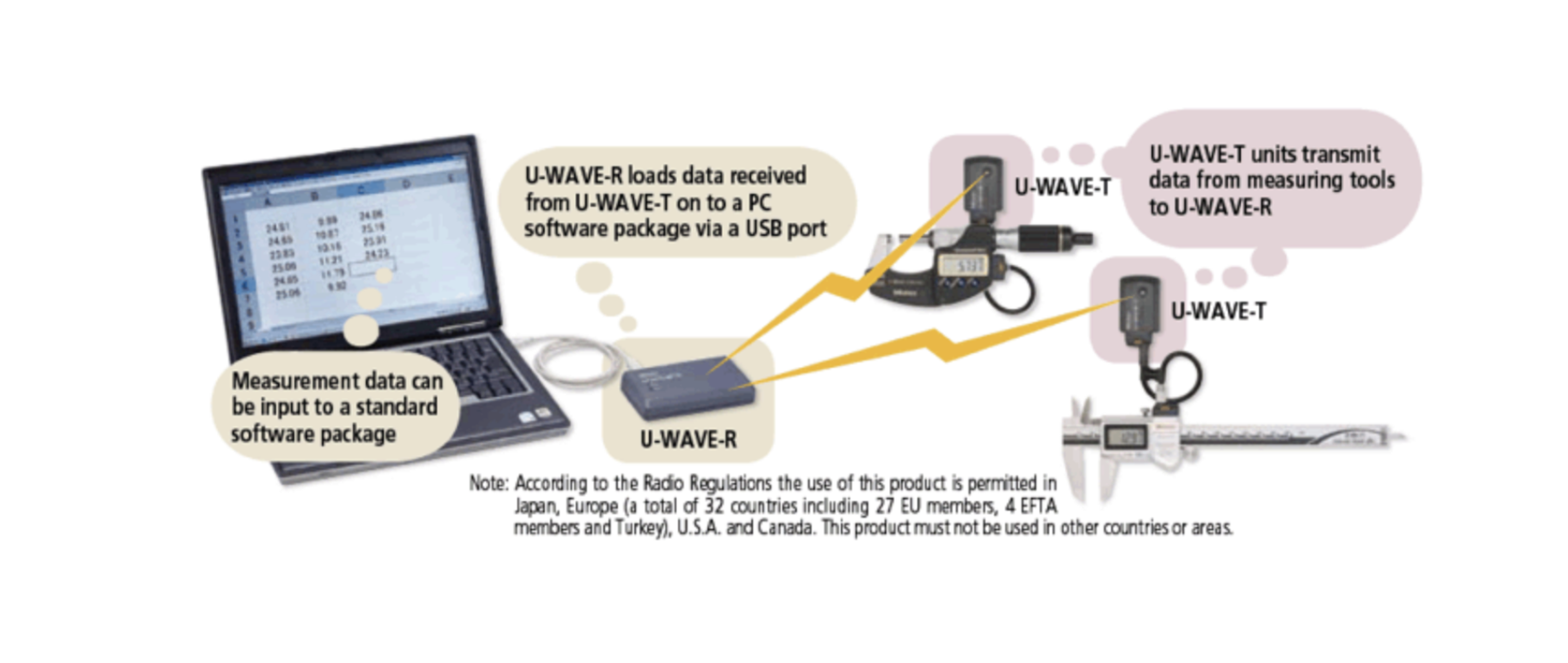
This article explains why IoT sensors alone can’t transform agriculture — and why unified data systems are the real foundation of digital farming.
1. The Sensor Boom Isn’t the Problem
In 2025, sensors have never been cheaper or easier to deploy.
Most farms can install:
- Soil and moisture sensors
- Pump and irrigation controllers
- Weather stations
- Temperature and humidity probes
- Drone mapping tools
The problem is not lack of data collection.
It’s that data remains locked inside separate apps, dashboards, and vendor ecosystems.
Farmers are left with:
- Too many screens
- Too many logins
- Too many disconnected insights
- No single place to see the whole picture
More sensors don’t create intelligence.
Integrated data does.
2. The Real Challenge: Fragmented Data Everywhere
A typical modern farm deals with:
- A soil sensor dashboard
- A weather app
- A pump controller interface
- Drone imaging software
- Spray logs in Excel
- Yield records in notebooks
- Worker activities stored in chat apps
None of these systems talk to each other.
So instead of becoming “smart,” farms become digitally fragmented.
The result?
- Data is hard to compare
- Insights are incomplete
- Farmers still rely on intuition instead of evidence
- AI cannot be applied because the data is scattered
The value isn’t in having data.
The value is in connecting it.
3. Why Data Integration Matters More Than Devices
Imagine a durian orchard using moisture sensors.
If the data stays isolated, all the farmer sees is a dashboard number.
But if that same data is integrated with:
- Weather forecasts
- Soil moisture history
- Fertilizer plans
- Worker activity logs
- Irrigation performance
- Disease risk models
The system can provide real actions:
- “Irrigate Block C today — moisture trend shows increasing stress.”
- “Reduce fertilization this week — rainfall will cover water needs.”
- “High humidity days ahead — prepare pest prevention measures.”
This is what digital farming should deliver:
- Recommendations, not raw numbers
- Decisions, not dashboards
- Insights, not isolated sensor readings
Integration is what turns data into intelligence.
4. Smart Farming ≠ More Sensors , Smart Farming = Connected Systems
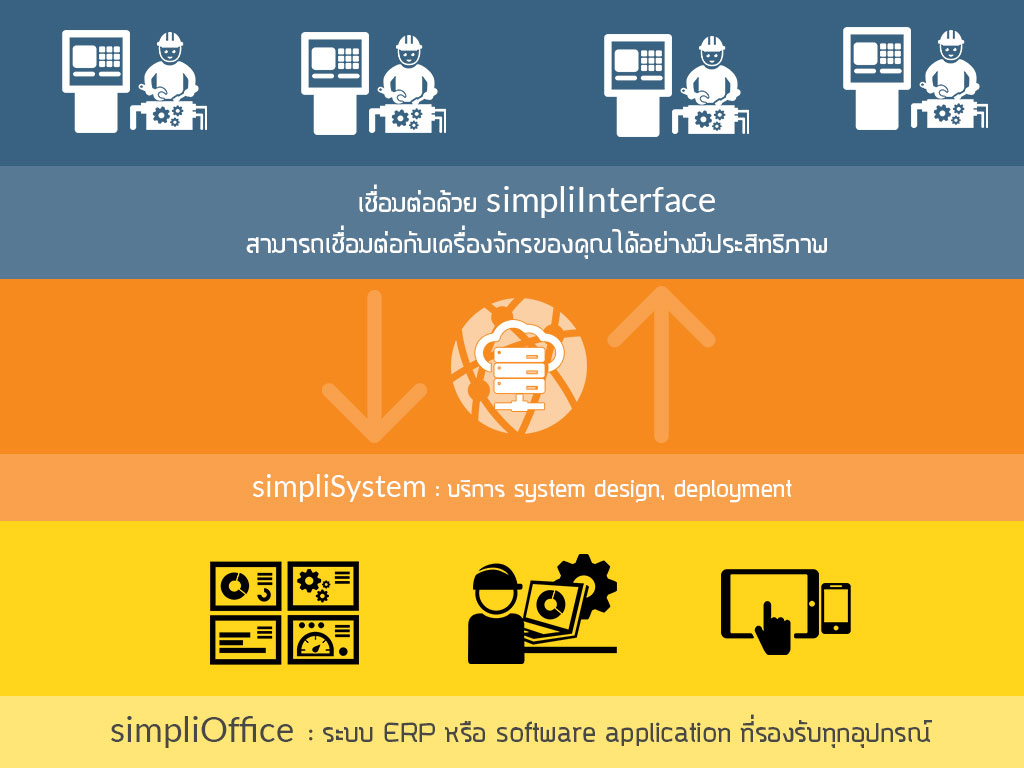
Here’s the real architecture of a digital farm:
Sensors → Unified Data Platform → AI Models → Recommendations → ActionsBut many farms remain stuck at:
Sensors → Separate Apps → ConfusionWhat’s missing is the integration layer — where all farm data flows into one backend:
- IoT sensors
- Field activities
- Drone images
- Weather data
- Inventory
- Irrigation logs
- Finance and yield records
Only then can algorithms, automation, or AI generate meaningful decisions.
5. The Four Biggest Integration Gaps in Agriculture
1. Different devices speak different languages
MQTT, LoRa, Zigbee, Modbus, proprietary APIs — integration requires translating all of them.
2. Rural areas don’t always have reliable internet
Smart farming must support offline-first operation and seamless syncing.
3. No centralized database
Without a unified data warehouse or historical data, there is nothing for AI models to learn from.
4. Human activities aren’t captured naturally
Pruning, fertilizing, spraying, harvesting — sensors can’t detect these.
Mobile apps and workflow tracking close the gap between people and systems.
6. The Future of Smart Farming: Data Before Devices
The next generation of smart agriculture is shifting focus:
1. Unified data ecosystems
Everything flows into a single platform.
2. AI-powered recommendations
Systems don’t show raw numbers — they tell farmers what to do.
3. Mobile-first operations
Workers log tasks that the AI uses to refine insights.
4. Modular expansion
Start small (activity tracking) → add IoT → add AI → add automation.
5. Predictive and prescriptive intelligence
Not just seeing what happened, but knowing what will happen and what to do next.
This is the real transformation — not IoT devices, but the data architecture behind them.
7. What Farms and Solution Builders Should Focus On
If you’re building or adopting smart farming technology, prioritize:
- Data pipelines, not dashboards
- API connectors, not standalone devices
- Unified databases, not isolated apps
- Offline-first mobile apps
- AI readiness and clean data
- End-to-end workflows
- Simplicity for farmers
The best farm isn’t the one with the most sensors.
It’s the one with the best data integration.
Conclusion
IoT devices are an important part of modern agriculture, but they’re not the heart of smart farming.
The real power comes from:
- Connecting sensors
- Integrating field activities
- Unifying weather and irrigation data
- Building a single operational picture
- Feeding AI models with clean, structured, historical data
Smart farming is not a hardware revolution.
It’s a data integration revolution.
When farms unify their data, they finally unlock precise decisions, reduced costs, and predictable outcomes.
Get in Touch with us

Chat with Us on LINE
iiitum1984
Related Posts
- ERP项目为何失败(以及如何让你的项目成功)
- Why ERP Projects Fail (And How to Make Yours Succeed)
- Payment API幂等性设计:用Stripe、支付宝、微信支付和2C2P防止重复扣款
- Idempotency in Payment APIs: Prevent Double Charges with Stripe, Omise, and 2C2P
- Agentic AI in SOC Workflows: Beyond Playbooks, Into Autonomous Defense (2026 Guide)
- 从零构建SOC:Wazuh + IRIS-web 真实项目实战报告
- Building a SOC from Scratch: A Real-World Wazuh + IRIS-web Field Report
- 中国品牌出海东南亚:支付、物流与ERP全链路集成技术方案
- 再生资源工厂管理系统:中国回收企业如何在不知不觉中蒙受损失
- 如何将电商平台与ERP系统打通:实战指南(2026年版)
- AI 编程助手到底在用哪些工具?(Claude Code、Codex CLI、Aider 深度解析)
- 使用 Wazuh + 开源工具构建轻量级 SOC:实战指南(2026年版)
- 能源管理软件的ROI:企业电费真的能降低15–40%吗?
- The ROI of Smart Energy: How Software Is Cutting Costs for Forward-Thinking Businesses
- How to Build a Lightweight SOC Using Wazuh + Open Source
- How to Connect Your Ecommerce Store to Your ERP: A Practical Guide (2026)
- What Tools Do AI Coding Assistants Actually Use? (Claude Code, Codex CLI, Aider)
- How to Improve Fuel Economy: The Physics of High Load, Low RPM Driving
- 泰国榴莲仓储管理系统 — 批次追溯、冷链监控、GMP合规、ERP对接一体化
- Durian & Fruit Depot Management Software — WMS, ERP Integration & Export Automation