AI Vertical Integration for Organizations
1. Introduction
Modern organizations face increasing operational complexity, rising costs, and the need for faster decision-making. Many companies experiment with isolated AI tools, but few achieve meaningful results because AI is not integrated into the core workflows of the business.
This proposal introduces AI Vertical Integration — a structured approach that embeds artificial intelligence across the entire value chain. The goal is to create a connected, intelligent, and continuously improving organization capable of scaling efficiently.
2. What Is AI Vertical Integration?
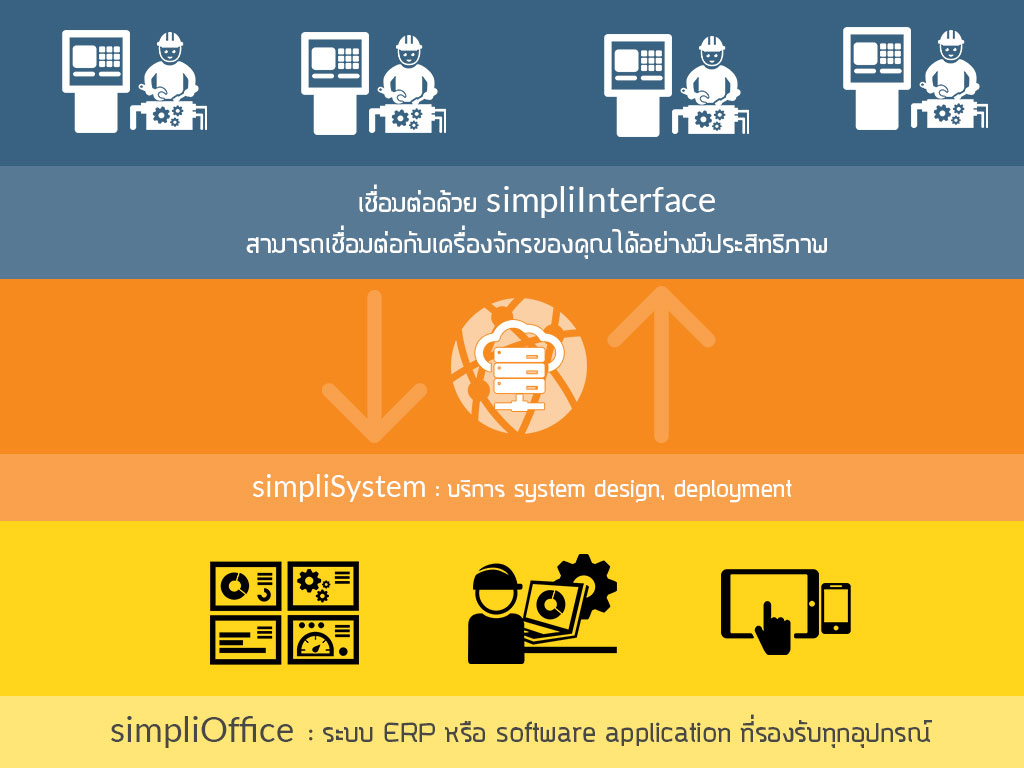
AI Vertical Integration applies artificial intelligence across every operational layer of a business:
- Data Foundation — unified, clean, reliable data
- Operational Automation — AI-driven workflows and agents
- Decision Intelligence — predictive analytics and optimization
- AI-Powered Digital Products — customer-facing applications and services
Instead of isolated tools, AI becomes an integrated system that enhances speed, accuracy, and competitiveness across the entire organization.
3. Benefits of AI Vertical Integration
Organizations that adopt vertically integrated AI gain significant advantages:
- Reduce manual work and human error
- Improve productivity and operational efficiency
- Make faster and more accurate decisions
- Increase visibility across departments
- Enhance customer experience with smarter digital services
- Unlock new revenue opportunities through AI-powered products
- Build long-term competitive advantage
4. Scope of Services
AI integration is delivered in four strategic layers.
Layer 1 — AI-Ready Data Foundation
Objective: Establish a unified and high-quality data environment to support all AI initiatives.
Deliverables
- Data audit and mapping
- Data architecture design
- ETL pipelines
- API connectors (ERP, CRM, MES, HRM, IoT)
- Data lake or warehouse setup
- Security and access governance
Layer 2 — AI-Enhanced Operational Automation
Objective: Transform repetitive or manual tasks into automated workflows powered by AI.
Use Cases
- Document/report automation
- Predictive maintenance
- Inventory forecasting
- Finance workflow automation
- Quality inspection using AI vision
- Workforce analytics
Deliverables
- Workflow designs
- Automation microservices
- AI agents and LLM workflows
- Integration with existing systems
Layer 3 — Decision Intelligence
Objective: Equip leadership with real-time insights and predictive models for smarter decision-making.
Deliverables
- Demand and cost forecasting
- Risk and anomaly detection
- Optimization engines (production, scheduling, inventory)
- Executive dashboards
- Scenario simulation tools
Layer 4 — AI-Powered Digital Products
Objective: Extend AI capabilities into customer-facing services.
Deliverables
- AI chatbots
- Recommendation engines
- Smart mobile applications
- IoT and edge intelligence
- Custom AI copilots for specific domains
5. System Architecture
flowchart TD
    A["Data Sources<br>(ERP, CRM, MES, IoT, Documents)"]
    B["AI Data Foundation<br>ETL · APIs · Data Lake/Warehouse"]
    C["Operational AI<br>Automation · LLM Agents · Predictions"]
    D["Decision Intelligence<br>Dashboards · Forecasting · Optimization"]
    E["AI Product Layer<br>Chatbots · Mobile Apps · Customer AI Services"]

    A --> B --> C --> D --> E
6. Project Methodology
Phase 1 — Discovery & Assessment (1–2 Weeks)
- Stakeholder interviews
- Data system review
- Process mapping
- Opportunity and ROI analysis
Phase 2 — Strategy & Architecture (2–4 Weeks)
- Complete AI roadmap
- Data and system architecture
- Workflow automation designs
- Project timeline and resource plan
Phase 3 — Build & Integration (2–6 Months)
- Data pipeline implementation
- Workflow automation
- AI/ML model development
- System integration
Phase 4 — Rollout & Training
- Deployment
- Documentation
- Staff training
- Change management
Phase 5 — Continuous Optimization
- Monthly performance monitoring
- Model tuning
- Ongoing development of AI use cases
7. Pricing Packages
| Package | Price (USD) | Description |
|---|---|---|
| Package A — AI Foundation | $15,000–$30,000 | Data readiness, basic automation, simple AI assistant |
| Package B — Integrated AI Operations | $40,000–$90,000 | Full data pipeline, multiple automations, forecasting models |
| Package C — Full AI Vertical Integration | $120,000–$400,000 | End-to-end transformation, decision intelligence, AI product development |
8. Client Outcomes
By implementing AI Vertical Integration, clients achieve:
- Streamlined operations
- Lower operational costs
- Improved decision accuracy
- Faster workflow execution
- Enhanced customer satisfaction
- Increased organizational agility
- A scalable AI foundation for long-term growth
9. Conclusion
AI Vertical Integration provides a complete framework for modernizing an organization with artificial intelligence.
It transforms how data flows, how work is done, how decisions are made, and how value is delivered to customers.
Companies that adopt this approach position themselves for sustainable, AI-driven success.
Get in Touch with us

Chat with Us on LINE
iiitum1984
Related Posts
- Agentic AI in SOC Workflows: Beyond Playbooks, Into Autonomous Defense (2026 Guide)
- 从零构建SOC:Wazuh + IRIS-web 真实项目实战报告
- Building a SOC from Scratch: A Real-World Wazuh + IRIS-web Field Report
- 中国品牌出海东南亚:支付、物流与ERP全链路集成技术方案
- 再生资源工厂管理系统:中国回收企业如何在不知不觉中蒙受损失
- 如何将电商平台与ERP系统打通:实战指南(2026年版)
- AI 编程助手到底在用哪些工具?(Claude Code、Codex CLI、Aider 深度解析)
- 使用 Wazuh + 开源工具构建轻量级 SOC:实战指南(2026年版)
- 能源管理软件的ROI:企业电费真的能降低15–40%吗?
- The ROI of Smart Energy: How Software Is Cutting Costs for Forward-Thinking Businesses
- How to Build a Lightweight SOC Using Wazuh + Open Source
- How to Connect Your Ecommerce Store to Your ERP: A Practical Guide (2026)
- What Tools Do AI Coding Assistants Actually Use? (Claude Code, Codex CLI, Aider)
- How to Improve Fuel Economy: The Physics of High Load, Low RPM Driving
- 泰国榴莲仓储管理系统 — 批次追溯、冷链监控、GMP合规、ERP对接一体化
- Durian & Fruit Depot Management Software — WMS, ERP Integration & Export Automation
- 现代榴莲集散中心:告别手写账本,用系统掌控你的生意
- The Modern Durian Depot: Stop Counting Stock on Paper. Start Running a Real Business.
- AI System Reverse Engineering:用 AI 理解企业遗留软件系统(架构、代码与数据)
- AI System Reverse Engineering: How AI Can Understand Legacy Software Systems (Architecture, Code, and Data)