Why Replacing Legacy Systems Fails in Government (And What Works Instead)
Government agencies around the world share a familiar frustration: critical systems built decades ago are still running core services, yet no longer fit today’s digital expectations. When the pain becomes too visible, the most common reaction is also the most dangerous one:
“Let’s replace the legacy system.”
History shows that this approach fails far more often than it succeeds. Understanding why it fails is the first step toward a more realistic and sustainable path forward.
Why Governments Keep Trying to Replace Legacy Systems
On the surface, full replacement looks logical:
- Legacy systems are hard to maintain
- Vendors may no longer support them
- Skills are disappearing
- Citizens expect modern digital services
In the private sector, replacing a system can sometimes be painful but survivable. In government, the same strategy often leads to cost overruns, delays, political fallout, or silent abandonment.
Why Replacement Fails in Government
1. Legacy Systems Are Mission-Critical
Many government systems:
- Run continuously
- Support legal or regulatory obligations
- Have no acceptable downtime window
Even a short outage can affect public safety, revenue collection, or citizen trust. This makes large-scale replacement inherently risky.
2. Institutional Knowledge Is Embedded in the System
Legacy systems often encode:
- Decades of policy decisions
- Exceptions, workarounds, and edge cases
- Interpretations of laws and regulations
Much of this knowledge is undocumented and lives only in code or in the memories of a few experienced staff. Rewriting the system often means losing this knowledge.
3. Procurement and Budget Cycles Don’t Match Software Reality
Government procurement typically:
- Requires fixed scope upfront
- Locks contracts for multiple years
- Penalizes change rather than enabling it
Modern software development requires learning, iteration, and adjustment. Full replacement projects clash with this reality from day one.
4. Political Risk Is Asymmetrical
For leaders and decision-makers:
- A failed replacement is highly visible
- Success is often invisible or taken for granted
This creates a strong incentive to avoid bold changes mid-project, leading to compromises that satisfy no one.
5. Big-Bang Cutovers Rarely Work
Replacing everything at once means:
- Massive data migration
- Retraining all users simultaneously
- Changing workflows across departments
Any failure at cutover time can halt services nationwide. Governments are rightly cautious, but caution alone cannot save a flawed strategy.
What Works Instead: Modernization Without Replacement
Reference Architecture: Modernizing Without Replacing
flowchart TB
    Citizens["Citizens / Businesses"]
    Channels["Digital Channels
(Web / Mobile / Portal)"]
    Gateway["API Gateway / Integration Layer"]
    Workflow["Workflow & Case Management"]
    Data["Canonical Data Models
(Master Data)"]
    Legacy["Legacy Core Systems
(Mainframe / ERP / Registry)"]

    Citizens --> Channels
    Channels --> Gateway
    Gateway --> Workflow
    Workflow --> Data
    Data --> Legacy

    Gateway --> Legacy
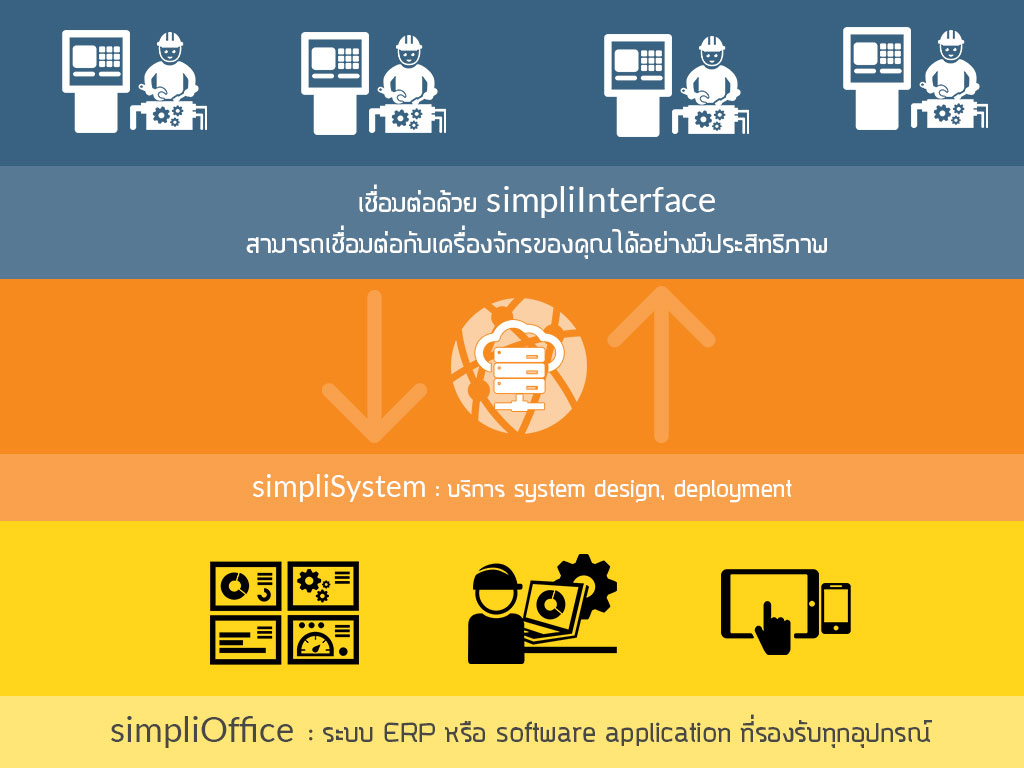
This architecture allows governments to introduce new digital services while keeping legacy systems stable and operational.
What Works Instead: Modernization Without Replacement
The alternative is not to do nothing. It is to modernize without disruption.
1. Add a Digital Layer Instead of Rewriting the Core
Rather than replacing legacy systems, governments can:
- Leave the core system running
- Add an integration layer on top
- Expose functionality through APIs
This allows new systems to be built without destabilizing existing ones.
Key idea: Change how systems interact before changing how they work internally.
2. Use Incremental Replacement, Not Big-Bang Change
New functionality should be:
- Built outside the legacy system
- Gradually redirected away from it
- Replaced module by module over time
This approach reduces risk and allows learning during the project, not after failure.
3. Standardize Data Before Modernizing Interfaces
User interfaces attract attention, but data creates durability.
Priorities should be:
- Common data definitions
- Clear ownership of master data
- Consistent validation rules
With standardized data, multiple systems can coexist and evolve safely.
4. Treat Legacy Systems as Services, Not Obstacles
Legacy systems can be:
- Wrapped
- Isolated
- Monitored
- Gradually simplified
When treated as services, they become part of a broader ecosystem rather than a blocker to progress.
A More Realistic Goal for GovTech
The goal of government digital transformation should not be:
“Replace the old system.”
But instead:
“Make the system evolvable.”
An evolvable system:
- Accepts that some components will remain old
- Allows new capabilities to be added safely
- Reduces dependency on single vendors
- Survives political and leadership changes
Conclusion
Legacy systems fail governments only when governments treat them as enemies. In reality, they are records of institutional knowledge and operational continuity.
Successful GovTech modernization respects this reality. It focuses on architecture, integration, and gradual change—delivering new value without putting essential services at risk.
Replacing everything is dramatic.
Evolving systems is what actually works.
Get in Touch with us

Chat with Us on LINE
iiitum1984
Related Posts
- Payment API幂等性设计:用Stripe、支付宝、微信支付和2C2P防止重复扣款
- Idempotency in Payment APIs: Prevent Double Charges with Stripe, Omise, and 2C2P
- Agentic AI in SOC Workflows: Beyond Playbooks, Into Autonomous Defense (2026 Guide)
- 从零构建SOC:Wazuh + IRIS-web 真实项目实战报告
- Building a SOC from Scratch: A Real-World Wazuh + IRIS-web Field Report
- 中国品牌出海东南亚:支付、物流与ERP全链路集成技术方案
- 再生资源工厂管理系统:中国回收企业如何在不知不觉中蒙受损失
- 如何将电商平台与ERP系统打通:实战指南(2026年版)
- AI 编程助手到底在用哪些工具?(Claude Code、Codex CLI、Aider 深度解析)
- 使用 Wazuh + 开源工具构建轻量级 SOC:实战指南(2026年版)
- 能源管理软件的ROI:企业电费真的能降低15–40%吗?
- The ROI of Smart Energy: How Software Is Cutting Costs for Forward-Thinking Businesses
- How to Build a Lightweight SOC Using Wazuh + Open Source
- How to Connect Your Ecommerce Store to Your ERP: A Practical Guide (2026)
- What Tools Do AI Coding Assistants Actually Use? (Claude Code, Codex CLI, Aider)
- How to Improve Fuel Economy: The Physics of High Load, Low RPM Driving
- 泰国榴莲仓储管理系统 — 批次追溯、冷链监控、GMP合规、ERP对接一体化
- Durian & Fruit Depot Management Software — WMS, ERP Integration & Export Automation
- 现代榴莲集散中心:告别手写账本,用系统掌控你的生意
- The Modern Durian Depot: Stop Counting Stock on Paper. Start Running a Real Business.