The $1M Enterprise Software Myth: How Open‑Source + AI Are Replacing Expensive Corporate Platforms
Introduction
For decades, large enterprises relied on massive proprietary software systems. These platforms promised reliability, scalability, and support—but they often came with extremely high costs, long implementation timelines, and vendor lock‑in.
Today, something fundamental is changing.
The combination of open-source software and artificial intelligence (AI) is creating a new generation of enterprise systems—systems that are more flexible, faster to build, and dramatically cheaper.
For companies building modern infrastructure, this shift is not just technological. It is strategic.
The Old Enterprise Software Model
Traditional enterprise software ecosystems typically involve:
- Expensive ERP platforms
- Vendor licensing fees
- Implementation consultants
- Multi‑year deployment timelines
- Limited customization
Examples include:
- proprietary ERP systems
- closed SIEM security platforms
- vendor‑locked AI solutions
- closed workflow automation platforms
In many cases, organizations spend more on licenses than on actual innovation.
The New Stack: Open‑Source + AI
Modern enterprise systems are increasingly built using open‑source infrastructure combined with AI capabilities.
Instead of buying one giant platform, companies assemble modular systems.
Typical modern stack:
| Layer | Example Technologies |
|---|---|
| Infrastructure | Docker, Kubernetes |
| Databases | PostgreSQL |
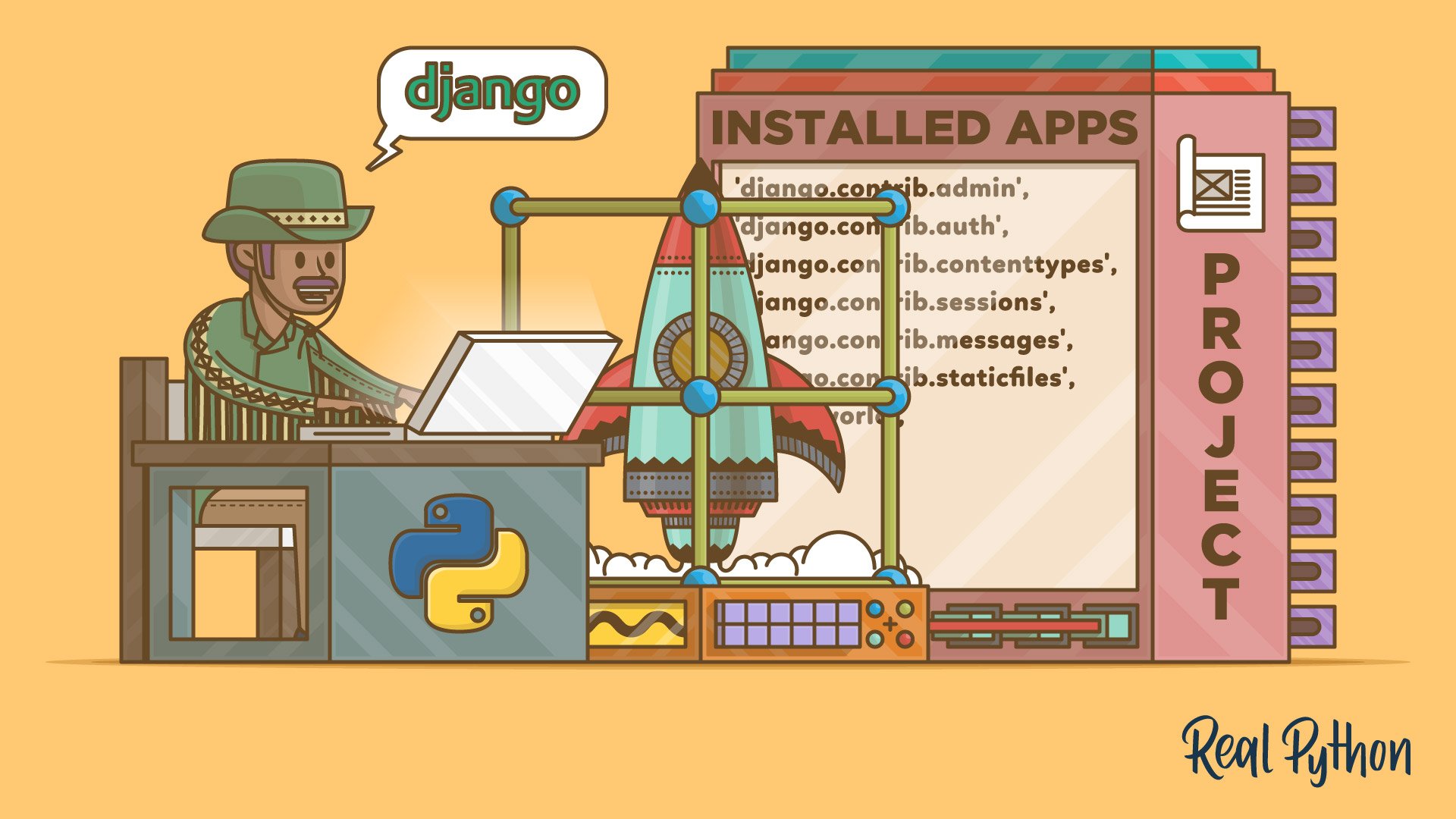
| Backend Framework | Python / Django / FastAPI |
| Automation | Workflow engines |
| AI Layer | LLMs + vector search |
| Observability | Open‑source monitoring |
This approach allows companies to build systems tailored to their exact workflow, instead of forcing workflows to match rigid enterprise software.
Why Open‑Source + AI Is Disrupting Enterprise Software
1. Cost Reduction
Open‑source tools eliminate massive license costs.
Example comparison:
| System | Traditional Enterprise | Open‑Source + AI |
|---|---|---|
| Initial cost | $500k – $2M | $10k – $100k |
| License fees | High recurring | Often none |
| Customization | Expensive | Flexible |
This allows SMEs and mid‑size companies to deploy systems previously accessible only to large corporations.
2. Faster Innovation
Traditional enterprise vendors release updates once or twice per year.
Open‑source ecosystems evolve every week.
AI accelerates development even further:
- AI‑assisted coding
- automated testing
- faster prototyping
- automated documentation
Development teams can now build enterprise systems in weeks instead of years.
3. No Vendor Lock‑In
Vendor lock‑in has historically been one of the biggest problems in enterprise IT.
With open‑source architecture:
- source code is accessible
- infrastructure is portable
- systems can evolve internally
Companies regain control of their own technology stack.
AI as the New Enterprise Interface
AI is not just another component in the system.
It is becoming the interface between humans and enterprise software.
Instead of navigating complex dashboards, users can simply ask:
"Show me anomalies in yesterday’s security logs."
or
"Generate a report of production defects this month."
AI systems can query databases, analyze logs, and orchestrate workflows automatically.
The result is simpler and faster interaction with complex systems.
Example Modern Enterprise Architecture
graph TD

A["Users / Staff"] --> B["Web Application"]
B --> C["Backend API"]
C --> D["Business Logic Services"]

D --> E["PostgreSQL Database"]
D --> F["Automation / Workflow Engine"]
D --> G["AI Layer (LLM + Vector Search)"]

F --> H["External Systems"]
G --> E
In this architecture:
- Open‑source infrastructure provides flexibility
- AI provides intelligence and automation
- modular services allow systems to evolve continuously
Why Enterprises Are Moving in This Direction
Several trends are accelerating the transition:
AI development tools
AI coding assistants dramatically increase developer productivity.
Cloud infrastructure
Cloud platforms make open‑source deployment easier.
Mature open‑source ecosystems
Many open‑source tools now rival enterprise products.
Talent availability
Modern developers prefer working with open technologies.
The Role of Engineering Companies
Even though open‑source software is available to everyone, building enterprise systems still requires expertise.
Key skills include:
- system architecture design
- integration of multiple platforms
- AI workflow design
- security engineering
- operational reliability
Engineering companies transform open‑source components into reliable enterprise systems.
The Future of Enterprise Software
The enterprise software market is undergoing a structural shift.
Instead of buying giant platforms, companies will increasingly build custom systems composed of open‑source modules and AI automation.
This approach offers:
- lower cost
- faster innovation
- greater control
- better adaptability
Organizations that understand this shift will gain a significant competitive advantage.
Final Thoughts
Open‑source software and AI are not simply reducing costs—they are changing how enterprise systems are built.
The future enterprise platform will not be a single monolithic product.
It will be a flexible architecture of services, automation, and AI intelligence.
Organizations that embrace this model early will move faster, innovate more effectively, and build systems truly aligned with their business.
Get in Touch with us

Chat with Us on LINE
iiitum1984
Related Posts
- Agentic AI in SOC Workflows: Beyond Playbooks, Into Autonomous Defense (2026 Guide)
- 从零构建SOC:Wazuh + IRIS-web 真实项目实战报告
- Building a SOC from Scratch: A Real-World Wazuh + IRIS-web Field Report
- 中国品牌出海东南亚:支付、物流与ERP全链路集成技术方案
- 再生资源工厂管理系统:中国回收企业如何在不知不觉中蒙受损失
- 如何将电商平台与ERP系统打通:实战指南(2026年版)
- AI 编程助手到底在用哪些工具?(Claude Code、Codex CLI、Aider 深度解析)
- 使用 Wazuh + 开源工具构建轻量级 SOC:实战指南(2026年版)
- 能源管理软件的ROI:企业电费真的能降低15–40%吗?
- The ROI of Smart Energy: How Software Is Cutting Costs for Forward-Thinking Businesses
- How to Build a Lightweight SOC Using Wazuh + Open Source
- How to Connect Your Ecommerce Store to Your ERP: A Practical Guide (2026)
- What Tools Do AI Coding Assistants Actually Use? (Claude Code, Codex CLI, Aider)
- How to Improve Fuel Economy: The Physics of High Load, Low RPM Driving
- 泰国榴莲仓储管理系统 — 批次追溯、冷链监控、GMP合规、ERP对接一体化
- Durian & Fruit Depot Management Software — WMS, ERP Integration & Export Automation
- 现代榴莲集散中心:告别手写账本,用系统掌控你的生意
- The Modern Durian Depot: Stop Counting Stock on Paper. Start Running a Real Business.
- AI System Reverse Engineering:用 AI 理解企业遗留软件系统(架构、代码与数据)
- AI System Reverse Engineering: How AI Can Understand Legacy Software Systems (Architecture, Code, and Data)