How to Develop a Manufacturing Execution System (MES) with Python
Manufacturers increasingly look to build or customize their own Manufacturing Execution Systems (MES) to gain better control over production, quality, and real-time visibility. While commercial MES platforms exist, many factories choose Python-based development for its flexibility, scalability, and strong ecosystem.
This article explains how to design and develop an MES using Python, focusing on architecture, core modules, data models, and real-world factory integration.
1. What an MES Is Responsible For
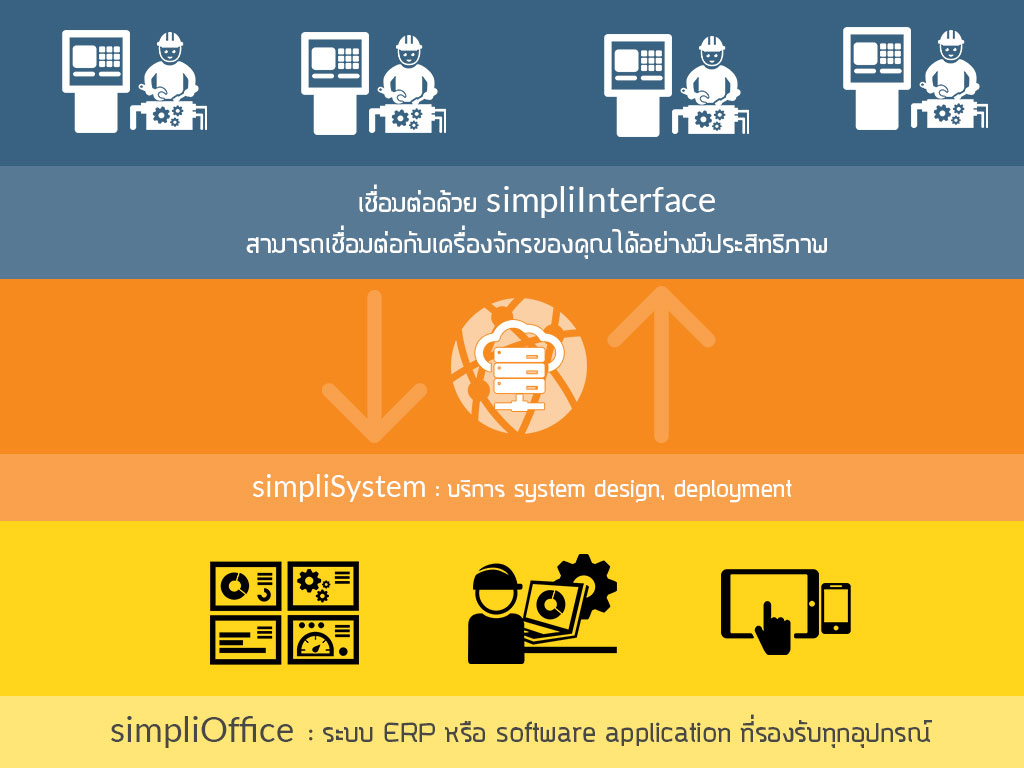
Before writing any code, it is important to understand what an MES actually does. An MES operates between ERP systems and shop-floor control systems, translating production plans into executable actions and capturing what truly happens on the factory floor.
At a minimum, a practical MES should handle:
- Production order execution
- Work-in-process (WIP) tracking
- Production reporting (good, scrap, reasons)
- Machine state and downtime collection
- Basic performance metrics such as OEE
More advanced functions such as traceability, quality management, and genealogy can be added incrementally.
2. Why Python Is a Good Choice for MES Development
Python has become a popular choice for manufacturing systems because it balances engineering practicality with long-term maintainability.
Key advantages include:
- Mature web frameworks (Django, FastAPI)
- Strong database support (PostgreSQL)
- Easy integration with industrial protocols
- Rich data processing and analytics libraries
- Large developer ecosystem
Python allows teams to start small and grow the system organically without locking into proprietary platforms.
3. High-Level MES Architecture
A well-structured MES should separate concerns clearly. Even if implemented as a single application initially, thinking in layers avoids future rework.
flowchart TD
    ERP["ERP<br/>Production Plans"]
    MES["MES Core<br/>Execution & Tracking"]
    GATEWAY["Shop-Floor Gateway<br/>OPC UA / MQTT"]
    MACHINE["Machines & PLCs"]

    ERP --> MES
    MES --> ERP
    MACHINE --> GATEWAY
    GATEWAY --> MES
In this architecture:
- ERP sends production orders and receives summarized results
- Machines communicate through a gateway that normalizes signals
- MES stores only meaningful production events, not raw sensor noise
4. Core Modules of a Python-Based MES
A maintainable MES is best built as a set of logical modules.
Master Data
Defines relatively stable information such as products, routings, work centers, machines, and shifts.
Work Order Management
Controls the lifecycle of production orders, from release to completion.
Execution & Events
Records what actually happens on the shop floor. This includes operation start/stop, quantity reporting, and machine state changes.
Production Reporting
Aggregates execution events into usable production metrics.
Integration Layer
Handles communication with ERP systems and shop-floor equipment.
5. Event-Driven Design: The Heart of an MES
Instead of continuously updating “current status” tables, modern MES systems use an event-driven model.
flowchart LR
    EVENT["Execution Event<br/>append-only"]
    WIP["WIP View"]
    KPI["OEE & Reports"]

    EVENT --> WIP
    EVENT --> KPI
Every significant action is recorded as an immutable event. From these events, dashboards and reports are derived.
This approach provides:
- Full auditability
- Easier troubleshooting
- Accurate historical analysis
6. Choosing the Right Python Stack
A practical production-grade stack often looks like this:
- Django for business logic and admin interfaces
- Django REST Framework for APIs
- PostgreSQL for transactional data
- Celery + Redis for background jobs
- MQTT or OPC UA libraries for machine integration
- WebSockets or SSE for live dashboards
This stack is proven, widely supported, and suitable for both SMEs and large factories.
7. Connecting MES to Machines
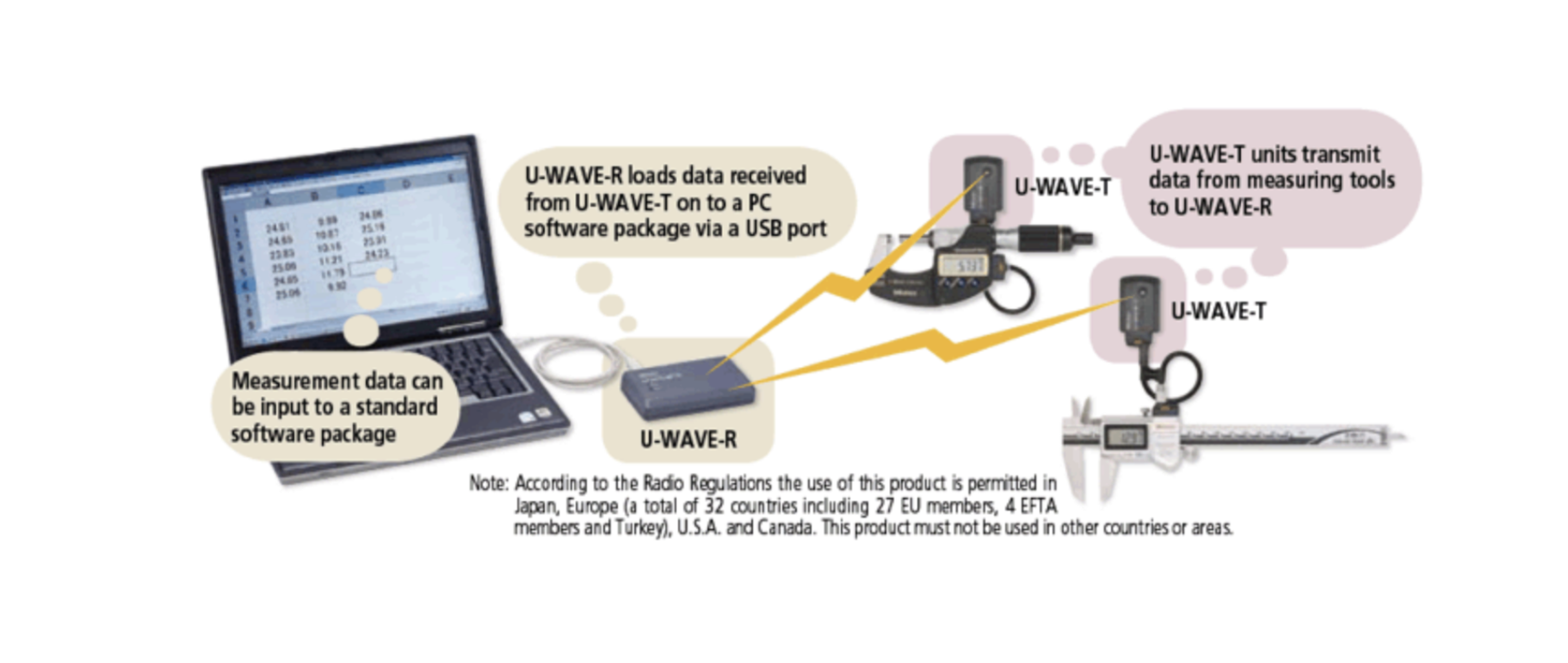
MES should not talk directly to PLCs. Instead, a gateway layer translates machine signals into meaningful events.
flowchart TD
    PLC["PLC"]
    SCADA["SCADA / Edge Gateway"]
    MES["MES Event API"]

    PLC --> SCADA
    SCADA -->|"State / Count / Alarm"| MES
For example, a machine “RUN” signal becomes a machine_state_changed event in MES. MES does not store every sensor update—only state changes and production-relevant information.
8. Calculating OEE Correctly
OEE is not just a formula—it is a data discipline.
To calculate OEE reliably, the MES must capture:
- Machine state transitions (RUN, STOP, IDLE)
- Production counts (good vs scrap)
- Planned production time (shift calendar)
OEE is then derived from historical events, not manually entered numbers. This prevents common issues such as inflated efficiency or inconsistent reports.
9. Scaling the System Over Time
Once a basic MES is stable, additional capabilities can be layered on:
- Lot and serial traceability
- Quality inspections and SPC
- Genealogy tracking
- Energy monitoring
- Predictive analytics
Because Python systems are modular, these features can be added without redesigning the core.
10. Practical Lessons from Factory Deployments
Real factories impose constraints that software diagrams often ignore:
- Network interruptions require offline-tolerant data collection
- Time synchronization between machines matters
- Operator interfaces must be extremely simple
- Audit trails are mandatory in regulated industries
Designing for these realities from the beginning is more important than adding advanced features early.
11. Final Thoughts
Developing an MES with Python is not about building a large system upfront. It is about creating a clear execution layer that connects planning systems with the physical factory.
With a well-defined architecture, event-driven design, and disciplined scope, Python enables manufacturers to build MES systems that are:
- Flexible
- Auditable
- Scalable
- Closely aligned with real production needs
For many factories, this approach delivers more long-term value than rigid, one-size-fits-all platforms.
Get in Touch with us

Chat with Us on LINE
iiitum1984
Related Posts
- 再生资源工厂管理系统:中国回收企业如何在不知不觉中蒙受损失
- 如何将电商平台与ERP系统打通:实战指南(2026年版)
- AI 编程助手到底在用哪些工具?(Claude Code、Codex CLI、Aider 深度解析)
- 使用 Wazuh + 开源工具构建轻量级 SOC:实战指南(2026年版)
- 能源管理软件的ROI:企业电费真的能降低15–40%吗?
- The ROI of Smart Energy: How Software Is Cutting Costs for Forward-Thinking Businesses
- How to Build a Lightweight SOC Using Wazuh + Open Source
- How to Connect Your Ecommerce Store to Your ERP: A Practical Guide (2026)
- What Tools Do AI Coding Assistants Actually Use? (Claude Code, Codex CLI, Aider)
- How to Improve Fuel Economy: The Physics of High Load, Low RPM Driving
- 泰国榴莲仓储管理系统 — 批次追溯、冷链监控、GMP合规、ERP对接一体化
- Durian & Fruit Depot Management Software — WMS, ERP Integration & Export Automation
- 现代榴莲集散中心:告别手写账本,用系统掌控你的生意
- The Modern Durian Depot: Stop Counting Stock on Paper. Start Running a Real Business.
- AI System Reverse Engineering:用 AI 理解企业遗留软件系统(架构、代码与数据)
- AI System Reverse Engineering: How AI Can Understand Legacy Software Systems (Architecture, Code, and Data)
- 人类的优势:AI无法替代的软件开发服务
- The Human Edge: Software Dev Services AI Cannot Replace
- From Zero to OCPP: Launching a White-Label EV Charging Platform
- How to Build an EV Charging Network Using OCPP Architecture, Technology Stack, and Cost Breakdown