SimpliPOSFlex. The POS Designed for Businesses Where Reality Matters
The POS Designed for Businesses Where Reality Matters
Imagine a recycle yard on a busy morning: a truck unloads scrap metal, the operator places it on the scale, weight stabilizes, a receipt prints instantly, and payment is calculated on the spot. There is no spreadsheet, no manual typing, and no argument later about what really happened.
Most POS systems are built for shops that sell items.
But many real businesses don’t sell “items” — they sell weight, grade, material, evidence, and trust.
Recycle factories, agricultural buying stations, refill shops, pawn shops, industrial receiving yards — these businesses live in the physical world, not spreadsheets.
SimpliPOSFlex was created for them.
Why Generic POS Systems Fail in Specialized Businesses
In many factories and yards, we see the same problems:
- Weight is read manually and typed into the system
- Prices are overridden without trace
- Disputes happen because there is no evidence
- Internet downtime stops operations
- Data privacy is unclear or risky
Generic POS software treats hardware as an afterthought, when in reality hardware is the workflow itself.
In reality, hardware **is the workflow**.
What Is SimpliPOSFlex?
SimpliPOSFlex is a specialized Android POS platform designed for businesses where:
- Transactions depend on measurement (weight, volume, grade)
- Digital scales are critical
- Receipts must be printed immediately
- Offline operation is mandatory
- Auditability and data privacy are non-negotiable
It runs on industrial Android POS devices with:
- Built-in thermal printer
- Barcode / QR scanner
- Card or ID reader
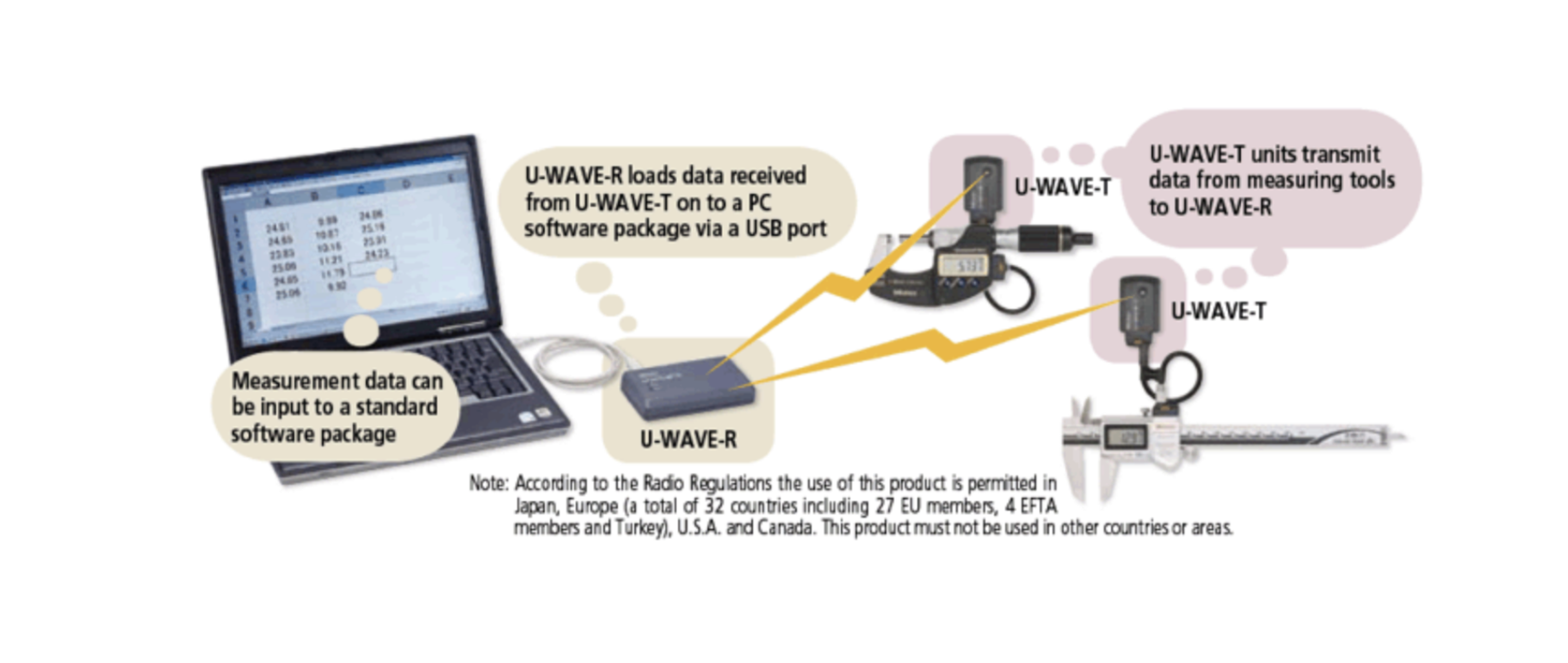
- Connection to digital weigh scales (RS-232, USB, Bluetooth)
Web Dashboard (Owner & Head Office)
Most businesses begin using the dashboard after the first few weeks of operation, or when scaling beyond a single POS device and needing a clear, consolidated view of performance.
SimpliPOSFlex includes an optional web dashboard designed for owners, managers, and head-office teams who need visibility without interfering with daily operations.
The dashboard is read-only by default and focuses on insight, control, and trust.
What the Dashboard Is Used For
-
Daily / Monthly Overview
Total weight, total payout, transaction count, and trends across time -
Material & Price Analysis
See which materials drive volume and cost, and how pricing changes affect margins -
Branch & Device Monitoring
Compare performance across branches, yards, or POS devices -
Supplier / Customer Statements
View aggregated weight and payout history per supplier or partner -
Audit & Exception Review
Review voided tickets, manual price overrides, and supervisor approvals
What the Dashboard Does NOT Do
- ❌ It does not control real-time POS operations
- ❌ It does not change prices silently
- ❌ It does not bypass on-site approval workflows
This separation prevents mistakes, abuse, and remote interference.
Privacy & Control by Design
- Dashboard access is role-based (owner / auditor / manager)
- All sensitive actions remain on the POS device
- Data shown is encrypted during sync and storage
- Dashboard can be self-hosted or disabled entirely
The dashboard exists to increase transparency, not to take control away from the operation.
AI Prediction & Fraud Detection (Privacy‑First)
SimpliPOSFlex includes optional AI-powered analytics designed to support owners and auditors — without compromising data privacy or on-site control.
AI features are assistive, not autonomous. The system never changes prices or blocks transactions automatically.
What AI Helps With
-
Anomaly Detection
Identify unusual patterns such as abnormal weight entries, frequent manual overrides, repeated voids, or suspicious timing patterns -
Fraud Risk Signals
Highlight transactions that deviate from historical norms (per operator, per material, per time window) -
Trend & Volume Prediction
Forecast expected daily or weekly weight volume to support planning and cash-flow management -
Price Sensitivity Insights
Simulate how price changes may affect volume and payout (read-only analysis)
What AI Will NOT Do
- ❌ It does not auto‑approve or auto‑reject transactions
- ❌ It does not secretly monitor employees
- ❌ It does not send data to third‑party AI services
Privacy‑First AI Design
- AI runs on anonymized and aggregated data
- Raw transaction data remains encrypted
- Models can run on‑premise or self‑hosted
- AI features are opt‑in per customer
AI exists to support human judgment, not replace it.
Hardware-Native by Design (Not an Add-On)
SimpliPOSFlex connects directly to real equipment.
Digital Weigh Scales
- RS-232 (via USB or Bluetooth SPP)
- USB (virtual COM / HID)
- Stable-weight detection
- Tare & deduction rules
Built-in Printers
- Instant receipt printing
- Custom ticket formats
- QR codes for verification
Scanners & Cameras
- Ticket lookup
- Photo evidence
- Fraud prevention
This is not “POS + integration later”.
Integration is the product.
Designed for Real-World Workflows
SimpliPOSFlex follows how people actually work on the floor:
- Place material on scale
- Weight is captured automatically
- Operator selects material & grade
- System calculates payout
- Supervisor approval (if needed)
- Receipt prints instantly
No spreadsheets.
No copy-paste.
No guessing.
Privacy Is Architecture, Not a Checkbox
Many businesses hesitate to digitize because they fear losing control of their data.
SimpliPOSFlex is built with privacy-first architecture:
- Offline-first: works without internet
- Encrypted local storage
- Role-based access control
- Immutable audit logs
- Cloud sync is optional, not forced
- Customer owns their data
We don’t sell data.
We don’t mine data.
We don’t lock you in.
Your operation data stays yours.
Who Is SimpliPOSFlex For?
SimpliPOSFlex is ideal for:
- Recycle & scrap yards
- Agricultural produce buying stations
- Refill & bulk material shops
- Pawn & precious metal businesses
- Industrial receiving and warehouses
If your business depends on measurement + trust, SimpliPOSFlex fits.
Built as a Flexible Platform
SimpliPOSFlex is modular by design:
- One core POS engine
- Vertical-specific modules
- Custom rules per business
- Scales from single device to multi-branch operations
This allows us to start simple and grow with your operation.
Open‑Source Software Stack
For decision makers: This section explains the technology choices behind SimpliPOSFlex. In simple terms, using open‑source software means the system remains transparent, secure, adaptable, and under your control for the long term — without dependency on a single vendor or proprietary cloud.
SimpliPOSFlex is built entirely on open‑source technologies, ensuring transparency, auditability, and long‑term independence.
On‑Device (Android POS)
- Android Open Source Project (AOSP) – Base operating system
- Kotlin / Java – Native Android application
- SQLite + SQLCipher – Encrypted local database
- Android Keystore – Secure key storage
- ESC/POS (open protocol) – Thermal printing
- Bluetooth SPP / USB Serial (open specs) – Scale communication
Backend & Sync (Optional, Self‑Hosted)
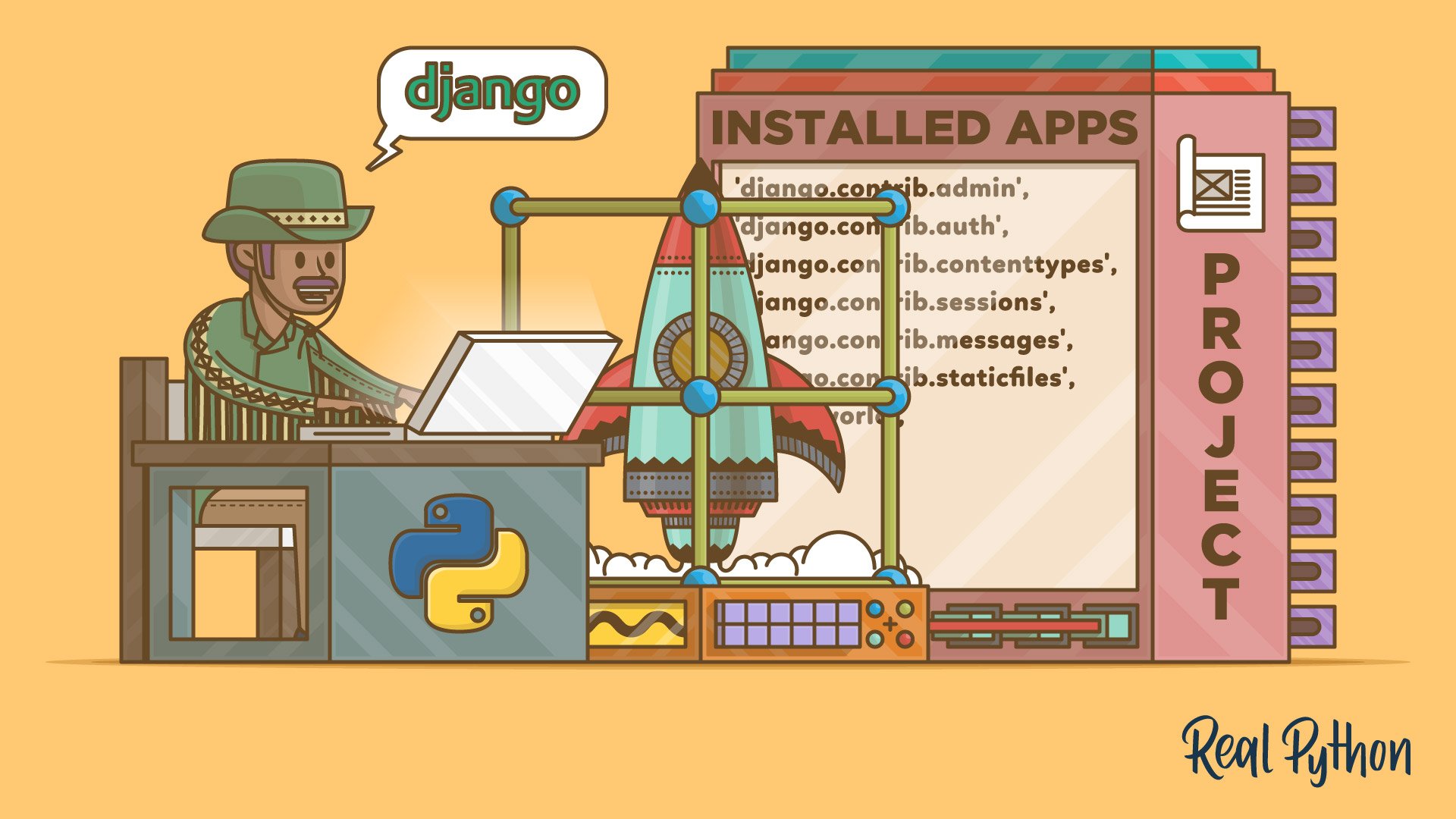
- Python – Core backend language
- Django / Django REST Framework – API & business logic
- PostgreSQL – Primary database
- Redis – Caching & background jobs
- Celery – Asynchronous task processing
- Nginx – Reverse proxy
Infrastructure
- Docker / Docker Compose – Deployment & isolation
- Linux (Ubuntu / Debian) – Server OS
- WireGuard – Secure device‑to‑server networking (optional)
Security & Privacy
- AES‑256 / RSA / TLS – Industry‑standard cryptography
- OpenSSL – Cryptographic primitives
- Role‑Based Access Control (RBAC) – Implemented at application level
No proprietary cloud lock‑in. No closed protocols. Full control remains with the customer.
Why We Use an Open‑Source Stack
Factories and industrial businesses operate on long time horizons. Software choices must prioritize stability, control, and risk reduction, not short‑term convenience.
We choose an open‑source stack because:
- Long‑term survivability – The system is not dependent on a single vendor’s business decisions. Even years later, it can be maintained, audited, or extended.
- Auditability & trust – Open technologies make it possible to review security mechanisms, data handling, and compliance requirements transparently.
- No vendor lock‑in – Customers are never forced into proprietary licenses, hidden dependencies, or sudden pricing changes.
- On‑premise & private deployment – Open‑source enables local or private installations for factories that cannot rely on public cloud services.
- Easier integration – Open standards integrate more safely with existing ERP, MES, accounting, and custom factory systems.
Open‑source is not an ideology. It is a practical choice for factories that value control, independence, and operational continuity.
System Architecture (Overview)
flowchart TB
    POS["Android POS Device
(SimpliPOSFlex App)"]
    Scale["Digital Weigh Scale
(RS-232 / USB / Bluetooth)"]
    Printer["Built-in Thermal Printer"]
    Scanner["Barcode / QR Scanner
Camera"]
    LocalDB["Encrypted Local DB
(SQLite + SQLCipher)"]
    Cloud["Optional Backend
(Django + PostgreSQL)"]
    Dashboard["Web Dashboard
(Owner / Head Office)"]

    Scale --> POS
    Scanner --> POS
    POS --> Printer
    POS --> LocalDB
    POS -. Optional Encrypted Sync .-> Cloud
    Cloud --> Dashboard
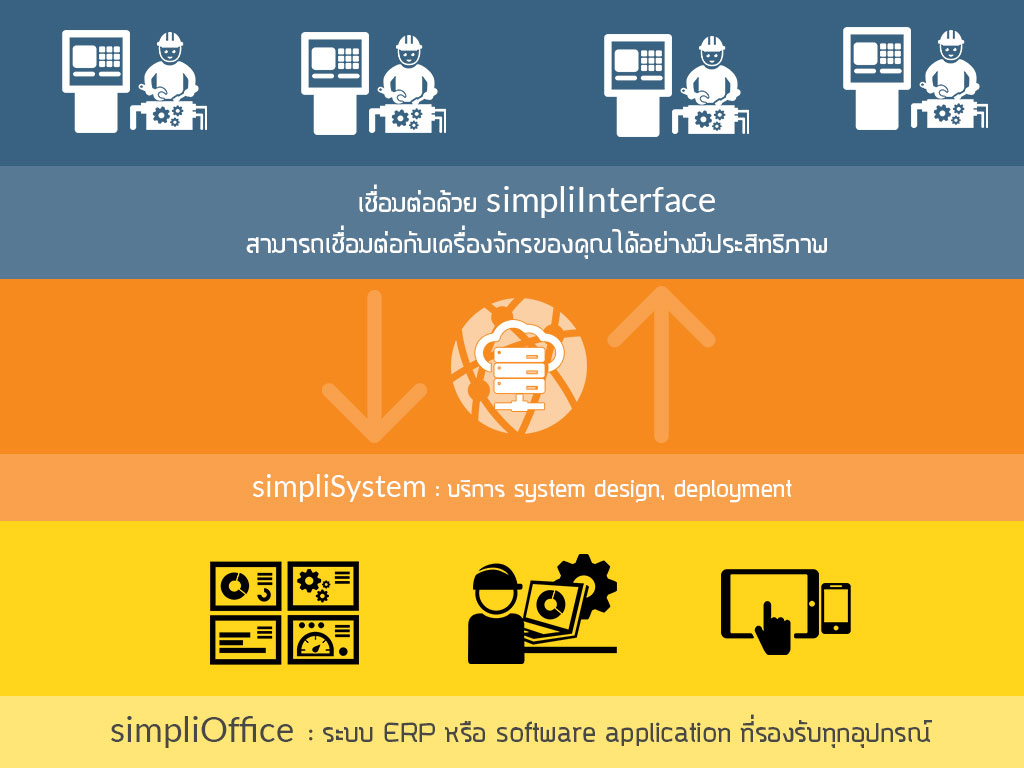
The system is designed to operate fully offline. Cloud synchronization is optional and encrypted end-to-end.
Pricing & Engagement Model
SimpliPOSFlex is priced to reflect real-world installation, hardware integration, and long-term reliability — not mass-market SaaS assumptions. Most customers begin with the simplest configuration and expand only as their operation grows.
Pricing Overview (Starting Price – English‑Speaking Markets)
Transparent starting prices for planning and budgeting. Final pricing may vary based on workflow complexity and local requirements.
| Item | Description | Pricing Model | Starting Price (USD) |
|---|---|---|---|
| Initial Setup & Deployment | Workflow study, POS configuration, scale integration, receipt format setup, remote onboarding | One-time | from $1,500 |
| POS Device License | SimpliPOSFlex license per Android POS device | Monthly | from $49 / device |
| Optional Cloud Dashboard | Secure backend, encrypted sync, web dashboard access | Monthly | from $99 / org |
| AI Prediction & Fraud Detection | Anomaly detection, trend prediction, audit insights (opt-in) | Monthly | from $79 / org |
| Customization / Integration | Custom reports, vertical rules, accounting or ERP integration | Project-based | Quoted |
What the Pricing Includes
- Offline-first POS operation
- Encrypted local data storage
- Hardware integration (scale, printer, scanner)
- Regular software updates
- Privacy-first architecture (no data resale)
What Is Intentionally Separate
- POS hardware (device, scale, accessories)
- Internet connectivity
- Major workflow changes after go-live
This pricing model ensures sustainability, proper support, and long-term partnership — not shortcut deployments.
Example Cost Breakdown
To make planning easier, below are typical cost examples for English-speaking markets. These are illustrative scenarios based on common deployments.
Example 1: Single-Site Operation (1 POS Device)
First Year
| Cost Item | Amount (USD) |
|---|---|
| Initial Setup & Deployment | $1,500 |
| POS Device License ($49 × 12 months) | $588 |
| Optional Cloud Dashboard ($99 × 12 months) | $1,188 |
| Estimated First-Year Total | $3,276 |
Following Years (Maintenance & Subscription)
| Cost Item | Annual Cost (USD) |
|---|---|
| POS Device License | $588 |
| Cloud Dashboard | $1,188 |
| Estimated Annual Ongoing Cost | $1,776 / year |
Example 2: Small Multi-Device Site (3 POS Devices)
First Year
| Cost Item | Amount (USD) |
|---|---|
| Initial Setup & Deployment | $1,500 |
| POS Device Licenses ($49 × 3 × 12 months) | $1,764 |
| Optional Cloud Dashboard ($99 × 12 months) | $1,188 |
| Estimated First-Year Total | $4,452 |
Following Years (Maintenance & Subscription)
| Cost Item | Annual Cost (USD) |
|---|---|
| POS Device Licenses | $1,764 |
| Cloud Dashboard | $1,188 |
| Estimated Annual Ongoing Cost | $2,952 / year |
AI analytics, custom integrations, and on-site support are optional add-ons and quoted separately based on requirements.
Why We Built SimpliPOSFlex
We’ve seen too many businesses forced to adapt their workflow to software that wasn’t built for them.
SimpliPOSFlex does the opposite.
We adapt the software to your reality.
Let’s Talk
If you operate a specialized business — or plan to digitize one —
we’re happy to observe your workflow, design the right setup, and build it properly.
📧 Contact: hello@simplico.net
🌐 Website: https://www.simplico.net
Get in Touch with us

Chat with Us on LINE
iiitum1984
Related Posts
- From Zero to OCPP: Launching a White-Label EV Charging Platform
- How to Build an EV Charging Network Using OCPP Architecture, Technology Stack, and Cost Breakdown
- Wazuh 解码器与规则:缺失的思维模型
- Wazuh Decoders & Rules: The Missing Mental Model
- 为制造工厂构建实时OEE追踪系统
- Building a Real-Time OEE Tracking System for Manufacturing Plants
- The $1M Enterprise Software Myth: How Open‑Source + AI Are Replacing Expensive Corporate Platforms
- 电商数据缓存实战:如何避免展示过期价格与库存
- How to Cache Ecommerce Data Without Serving Stale Prices or Stock
- AI驱动的遗留系统现代化:将机器智能集成到ERP、SCADA和本地化部署系统中
- AI-Driven Legacy Modernization: Integrating Machine Intelligence into ERP, SCADA, and On-Premise Systems
- The Price of Intelligence: What AI Really Costs
- 为什么你的 RAG 应用在生产环境中会失败(以及如何修复)
- Why Your RAG App Fails in Production (And How to Fix It)
- AI 时代的 AI-Assisted Programming:从《The Elements of Style》看如何写出更高质量的代码
- AI-Assisted Programming in the Age of AI: What *The Elements of Style* Teaches About Writing Better Code with Copilots
- AI取代人类的迷思:为什么2026年的企业仍然需要工程师与真正的软件系统
- The AI Replacement Myth: Why Enterprises Still Need Human Engineers and Real Software in 2026
- NSM vs AV vs IPS vs IDS vs EDR:你的企业安全体系还缺少什么?
- NSM vs AV vs IPS vs IDS vs EDR: What Your Security Architecture Is Probably Missing