Why AI in Recycling Fails Without System Integration
Introduction
Many recycling companies are investing in AI technologies with the hope of improving efficiency, yield, and profitability. However, a significant number of these projects fail to deliver real business value. The primary reason is not the AI models themselves—but the lack of proper system integration.
This article explains why AI initiatives in recycling often fail, what “system integration” really means in an industrial context, and how recycling businesses can approach AI the right way.
The Common Misconception: AI as a Standalone Solution
A common belief is that adding AI—such as computer vision for sorting or dashboards for analytics—will automatically improve operations. In reality, AI that operates in isolation rarely impacts core business outcomes.
Typical symptoms of isolated AI projects include:
- AI models that cannot influence machine behavior
- Dashboards that operators do not trust or use
- Insights that arrive too late to affect decisions
Without integration into operational systems, AI becomes an expensive reporting tool rather than a decision-making engine.
What System Integration Really Means in Recycling
In recycling operations, system integration involves connecting AI with the systems that already run the business:
- Weighing scales and truck weighbridges
- Conveyors, shredders, furnaces, and PLCs
- MES (Manufacturing Execution Systems)
- ERP and accounting systems
- Trading and inventory platforms
AI must be embedded into these workflows, not layered on top of them.
Where AI Projects Commonly Break Down
1. Disconnected from Physical Operations
An AI model that detects material quality but cannot adjust conveyor speed or trigger alerts during production has limited value. Real impact requires real-time feedback loops.
2. Data Exists in Silos
Weighing data, sorting results, energy usage, and sales records often live in separate systems or spreadsheets. AI trained on partial data produces misleading conclusions.
3. No Ownership in Daily Operations
If operators, supervisors, and managers are not part of the AI workflow, the system is ignored. Successful AI systems align with how people actually work.
What Successful Integration Looks Like
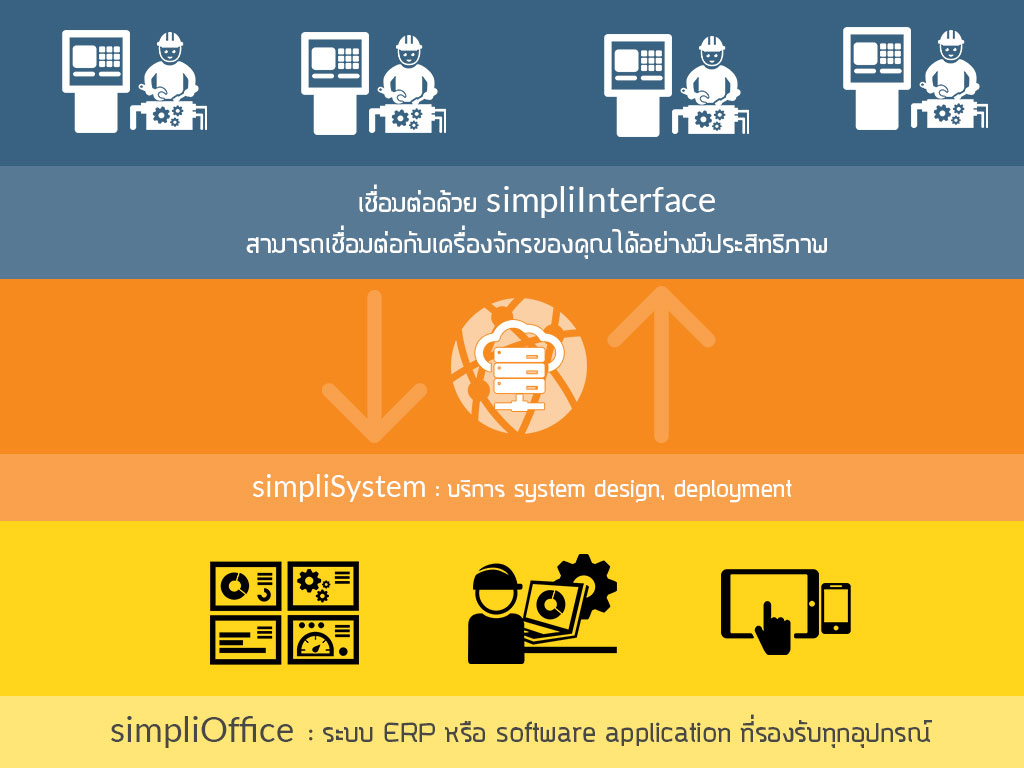
A successful AI-enabled recycling system connects data, machines, and decisions:
[ Sensors / Cameras / Scales ]
              ↓
        [ Edge AI Processing ]
              ↓
      [ MES / Control Systems ]
              ↓
        [ ERP / Trading ]
              ↓
      [ AI Analytics Layer ]
              ↓
        [ Dashboards & Alerts ]
In this setup:
- AI can trigger operational actions
- Decisions are traceable and auditable
- Insights are delivered at the right time
Start with Integration, Not Models
Many failed projects begin by choosing an AI model first. A better approach is:
- Understand scrap flow and operational bottlenecks
- Map existing systems and data sources
- Define where decisions are made
- Integrate AI into those decision points
This reduces risk and ensures AI supports real business processes.
Who Benefits Most from an Integrated Approach
An integrated AI strategy is especially valuable for:
- Recycling factories with complex operations
- Scrap traders managing large supplier networks
- Companies facing ESG and audit requirements
- Businesses scaling across multiple sites
Conclusion
AI alone does not transform recycling operations. Integration does.
Recycling companies that succeed with AI treat it as part of a larger system—one that connects machines, people, and data into a single operational flow. Without system integration, even the most advanced AI models will fail to deliver meaningful results.
Interested in exploring AI integration for your recycling operation?
We help companies design practical, integrated systems before major investments are made.
Contact us at hello@simplico.net
Get in Touch with us

Chat with Us on LINE
iiitum1984
Related Posts
- 再生资源工厂管理系统:中国回收企业如何在不知不觉中蒙受损失
- 如何将电商平台与ERP系统打通:实战指南(2026年版)
- AI 编程助手到底在用哪些工具?(Claude Code、Codex CLI、Aider 深度解析)
- 使用 Wazuh + 开源工具构建轻量级 SOC:实战指南(2026年版)
- 能源管理软件的ROI:企业电费真的能降低15–40%吗?
- The ROI of Smart Energy: How Software Is Cutting Costs for Forward-Thinking Businesses
- How to Build a Lightweight SOC Using Wazuh + Open Source
- How to Connect Your Ecommerce Store to Your ERP: A Practical Guide (2026)
- What Tools Do AI Coding Assistants Actually Use? (Claude Code, Codex CLI, Aider)
- How to Improve Fuel Economy: The Physics of High Load, Low RPM Driving
- 泰国榴莲仓储管理系统 — 批次追溯、冷链监控、GMP合规、ERP对接一体化
- Durian & Fruit Depot Management Software — WMS, ERP Integration & Export Automation
- 现代榴莲集散中心:告别手写账本,用系统掌控你的生意
- The Modern Durian Depot: Stop Counting Stock on Paper. Start Running a Real Business.
- AI System Reverse Engineering:用 AI 理解企业遗留软件系统(架构、代码与数据)
- AI System Reverse Engineering: How AI Can Understand Legacy Software Systems (Architecture, Code, and Data)
- 人类的优势:AI无法替代的软件开发服务
- The Human Edge: Software Dev Services AI Cannot Replace
- From Zero to OCPP: Launching a White-Label EV Charging Platform
- How to Build an EV Charging Network Using OCPP Architecture, Technology Stack, and Cost Breakdown