A Practical GovTech Architecture: ERP, GIS, Citizen Portal, and Data Platform
Local governments are under increasing pressure to deliver better digital services with limited budgets, fragmented legacy systems, and small IT teams. Many GovTech initiatives fail not because of technology choices, but because systems are designed in isolation.
This article presents a practical, integration-first GovTech architecture that local governments can realistically implement and evolve over time—without replacing everything at once.
The Core Problem: Systems That Don’t Talk to Each Other
Most local governments already have:
- An ERP for finance, procurement, HR
- A GIS system for land, zoning, infrastructure
- Multiple department-specific systems
- A basic citizen portal or website
These systems often work individually but fail collectively. The result is:
- Duplicate data entry
- Inconsistent citizen records
- Manual cross-department workflows
- Dashboards built on incomplete data
The goal of GovTech architecture is not to add more systems—but to connect existing ones into a coherent platform.
Architecture Overview: Four Key Layers
A sustainable GovTech architecture can be understood in four layers:
- Core Systems Layer (ERP & Line-of-Business Systems)
- Spatial & Asset Layer (GIS)
- Citizen Interaction Layer (Portal & Mobile Services)
- Integration & Data Platform (The Backbone)
Each layer has a clear role and evolves at its own pace.
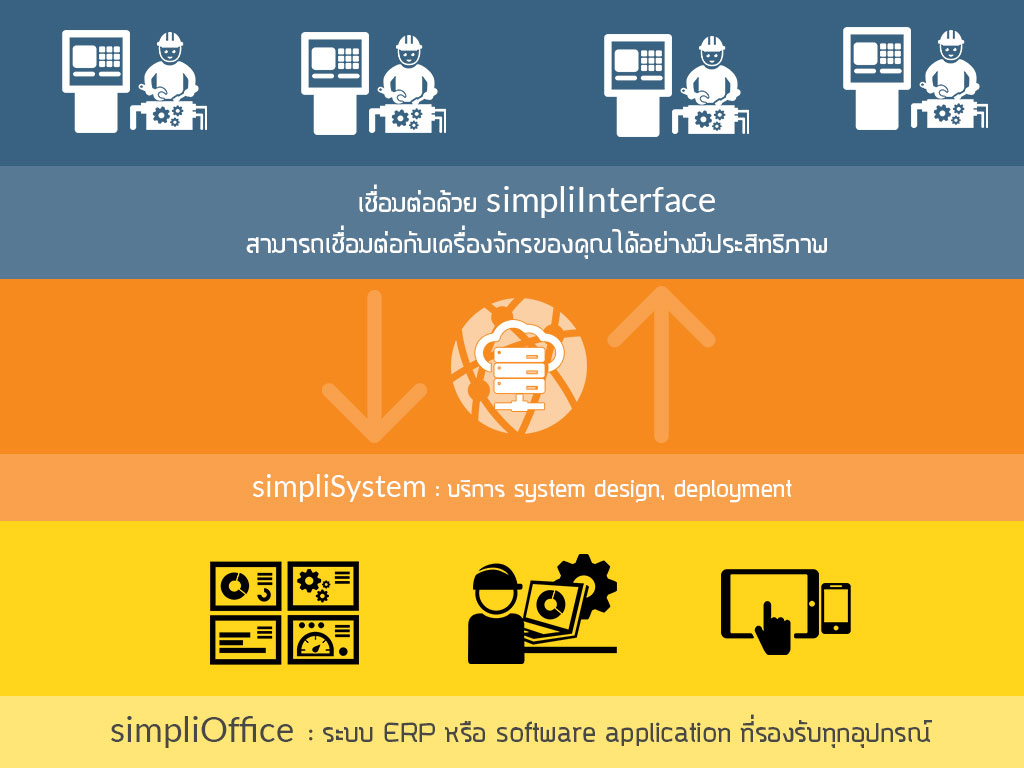
Overall GovTech Architecture Diagram
flowchart TB
    CP["Citizen Portal & Mobile Services"]

    INT["Integration & Data Platform
(API Gateway / Workflow / Event Bus)"]

    ERP["ERP System
(Finance / HR / Procurement)"]
    LOB["Department Systems
(Permits / Welfare / Licensing)"]
    GIS["GIS & Spatial Systems
(Land / Assets / Infrastructure)"]

    DATA["Operational & Analytical Data Platform"]

    CP --> INT
    INT --> ERP
    INT --> LOB
    INT --> GIS

    ERP --> DATA
    LOB --> DATA
    GIS --> DATA
This diagram highlights a key GovTech principle: systems do not integrate with each other directly. All coordination happens through the integration and data platform, which acts as the backbone of the entire architecture.
Open-Source Projects and Programming Stack You Can Deploy
Below is a practical, vendor-neutral set of open-source components that can implement this architecture. You can adopt them incrementally—starting with the integration backbone and portal—while keeping ERP/GIS/department systems as-is.
Citizen Portal & Digital Services
Web portal / service front-ends
- Django (monolith portal + admin + workflows)
- FastAPI (API-first services, high performance)
- React / Next.js (modern web UI)
- Ionic / React Native (mobile apps)
Identity and access
- Keycloak (SSO, OAuth2/OIDC, SAML; citizen + staff identity)
Notifications
- Apprise (simple notification fan-out)
- Integrations: LINE / email / SMS via providers (often not OSS, but pluggable)
Integration & Workflow (The Backbone)
API gateway / edge
- Kong Gateway (OSS edition) or Apache APISIX
Workflow orchestration
- Temporal (durable workflows; great for long-running gov processes)
- Alternatives: Camunda 8 (community) / n8n (automation, lighter use cases)
Message/event bus
- Apache Kafka (event streaming; strong for larger scale)
- RabbitMQ (reliable messaging; often simpler to operate)
Service-to-service communication & reliability
- OpenTelemetry (tracing/metrics standards)
- Prometheus + Grafana (metrics + dashboards)
Data Platform
Operational database (core apps, portal, integration)
- PostgreSQL (primary relational DB; reliable and feature-rich)
Search (citizen-facing search, internal document/service search)
- OpenSearch (or Elasticsearch OSS-compatible forks)
Analytics / BI
- Metabase (fast dashboards for non-technical users)
- Apache Superset (more advanced BI)
Data pipelines / ETL
- Airflow (scheduled pipelines)
- dbt (transformations on warehouse/lakehouse)
GIS & Spatial Layer
- PostGIS (spatial extensions on PostgreSQL)
- GeoServer (WMS/WFS services)
- QGIS (desktop GIS for staff)
Document & Records (Common in Government)
- MinIO (S3-compatible object storage for documents, images, scans)
- OnlyOffice Docs or Collabora Online (document editing; depending on governance needs)
Security Operations (Minimum Baseline)
- Wazuh (endpoint + SIEM-style monitoring)
- OpenVAS / Greenbone (vulnerability scanning)
Deployment Patterns (Realistic for Local Government)
Small / medium municipality (start simple)
- Docker Compose on 2–3 VMs (app, database, observability)
- Backup strategy: database + object storage + config
Province / prefecture scale (multi-department, multi-vendor)
- Kubernetes (k3s/RKE2 for on-prem; managed K8s in cloud)
- GitOps with Argo CD (repeatable deployments)
Recommended operating model
- Separate environments: dev / staging / production
- Central logging + metrics from day one (Grafana/Prometheus/OpenTelemetry)
Practical Starting Point (If You Want Results Fast)
If you need a pragmatic first phase that shows value quickly, start with:
- Keycloak (identity), 2) API Gateway (Kong/APISIX), 3) Workflow engine (Temporal), 4) PostgreSQL + MinIO, and then
- Build the first 2–3 citizen services on Django/FastAPI.
This creates a solid backbone that future systems (including GIS and ERP integrations) can plug into without rework.
1. Core Systems Layer: ERP and Department Systems
The ERP remains the system of record for:
- Budgeting and accounting
- Procurement and contracts
- Human resources
- Asset accounting
Key principle:
Do not overload ERP with citizen-facing logic or cross-department workflows.
Instead:
- Keep ERP focused on compliance and internal control
- Expose necessary functions via APIs or services
- Treat ERP as one component—not the entire architecture
2. Spatial & Asset Layer: GIS as a Shared Reference
GIS is not just a map—it is a spatial index for government operations:
- Land parcels
- Roads and utilities
- Public assets
- Environmental and zoning data
In a modern GovTech setup:
- GIS links assets to ERP records
- GIS data is shared with service systems
- Spatial context enriches decision-making
Example:
- A citizen complaint references a location
- That location links to assets, responsible departments, and maintenance history
3. Citizen Interaction Layer: Portal and Digital Services
The citizen portal should be:
- Service-oriented, not department-oriented
- Consistent across services
- Accessible via web and mobile
Responsibilities of this layer:
- User authentication and identity
- Service requests and submissions
- Status tracking and notifications
- Basic self-service interactions
Important rule:
The portal should not contain business logic of departments.
It is a front door—not the brain.
4. Integration & Data Platform: The Real Heart of GovTech
This layer is the most critical and most overlooked.
It typically includes:
- API gateway
- Integration middleware / workflow engine
- Event or message bus
- Central data platform (operational + analytical)
Key responsibilities:
- Orchestrate workflows across systems
- Enforce data consistency
- Enable automation and future AI
- Decouple systems from each other
This is where:
- A citizen request triggers actions in multiple departments
- ERP, GIS, and service systems stay synchronized
- Dashboards reflect reality, not guesses
Why This Architecture Works in the Real World
This approach allows governments to:
- Modernize incrementally, not all at once
- Reduce vendor lock-in
- Support multi-vendor environments
- Prepare for automation and AI without hype
Most importantly, it aligns with how governments actually operate—across departments, budgets, and political cycles.
Common Mistakes to Avoid
- Building a “super system” that tries to replace everything
- Treating dashboards as integration
- Letting vendors dictate architecture
- Designing for pilots instead of long-term operations
Final Thought
GovTech success is not about choosing the newest technology. It is about clear system boundaries, strong integration, and long-term thinking.
When ERP, GIS, citizen services, and data platforms are connected through a well-designed architecture, digital government stops being a project—and becomes a capability.
Get in Touch with us

Chat with Us on LINE
iiitum1984
Related Posts
- AI-Powered Network Security Monitoring (NSM)
- 使用开源 + AI 构建企业级系统
- How to Build an Enterprise System Using Open-Source + AI
- AI会在2026年取代软件开发公司吗?企业管理层必须知道的真相
- Will AI Replace Software Development Agencies in 2026? The Brutal Truth for Enterprise Leaders
- 使用开源 + AI 构建企业级系统(2026 实战指南)
- How to Build an Enterprise System Using Open-Source + AI (2026 Practical Guide)
- AI赋能的软件开发 —— 为业务而生,而不仅仅是写代码
- AI-Powered Software Development — Built for Business, Not Just Code
- Agentic Commerce:自主化采购系统的未来(2026 年完整指南)
- Agentic Commerce: The Future of Autonomous Buying Systems (Complete 2026 Guide)
- 如何在现代 SOC 中构建 Automated Decision Logic(基于 Shuffle + SOC Integrator)
- How to Build Automated Decision Logic in a Modern SOC (Using Shuffle + SOC Integrator)
- 为什么我们选择设计 SOC Integrator,而不是直接进行 Tool-to-Tool 集成
- Why We Designed a SOC Integrator Instead of Direct Tool-to-Tool Connections
- 基于 OCPP 1.6 的 EV 充电平台构建 面向仪表盘、API 与真实充电桩的实战演示指南
- Building an OCPP 1.6 Charging Platform A Practical Demo Guide for API, Dashboard, and Real EV Stations
- 软件开发技能的演进(2026)
- Skill Evolution in Software Development (2026)
- Retro Tech Revival:从经典思想到可落地的产品创意