Why We Don’t Just Build Software — We Make Systems Work
In many projects, the problem is not that software doesn’t exist.
The problem is that nothing works together.
Orders are correct in one system but wrong in another.
Data is duplicated, delayed, or lost.
People fall back to Excel, LINE, and manual work.
This is where our real strength lies.
Software Can Be “Correct” — and Still Fail the Business
Many teams can build good software:
- clean code
- modern frameworks
- beautiful UI
But in real organizations — especially factories, hospitals, and government — software alone is never enough.
A business system is not just one application.
It is a chain of systems:
- ERP
- Legacy databases
- Accounting
- External vendors
- Manual operations
- Regulations and approvals
If one link breaks, the whole system fails.
Without System Integrator vs With System Integrator
Without System Integrator (Software-Only Projects)
flowchart LR
    U["Users"] --> A1["System A"]
    U --> A2["System B"]
    U --> A3["System C"]

    A1 --> DB1["Data Store A"]
    A2 --> DB2["Data Store B"]
    A3 --> DB3["Data Store C"]

    DB1 -.-> DB2
    DB2 -.-> DB3
What usually happens:
- Systems work in isolation
- Data is duplicated and inconsistent
- Manual reconciliation via Excel and chat tools
- No single owner of the whole system
- Failures are difficult to detect and fix
With System Integrator (End-to-End System Design)
flowchart TB
    U["Users"] --> W["Unified Web / App Interface"]

    W --> INT["Integration & Business Logic Layer"]

    INT --> A1["System A"]
    INT --> A2["System B"]
    INT --> A3["System C"]

    A1 --> CORE["Single Source of Truth"]
    A2 --> CORE
    A3 --> CORE

    CORE --> REP["Reports & Dashboards"]
    CORE --> AUDIT["Audit & Traceability"]

    INT --> MON["Monitoring & Error Handling"]
    INT --> SEC["Security & Access Control"]
What changes:
- One controlled data flow
- Clear system ownership
- Reduced manual work
- Predictable operations
- Safe evolution of legacy systems
Our Core Strength: System Thinking + Hands-On Engineering
We work differently from typical software vendors.
We start by asking:
- How does the business actually operate today?
- Where does data originate?
- Where does it get transformed?
- Who depends on it downstream?
Only after the system is clear do we write code.
In practice, this means:
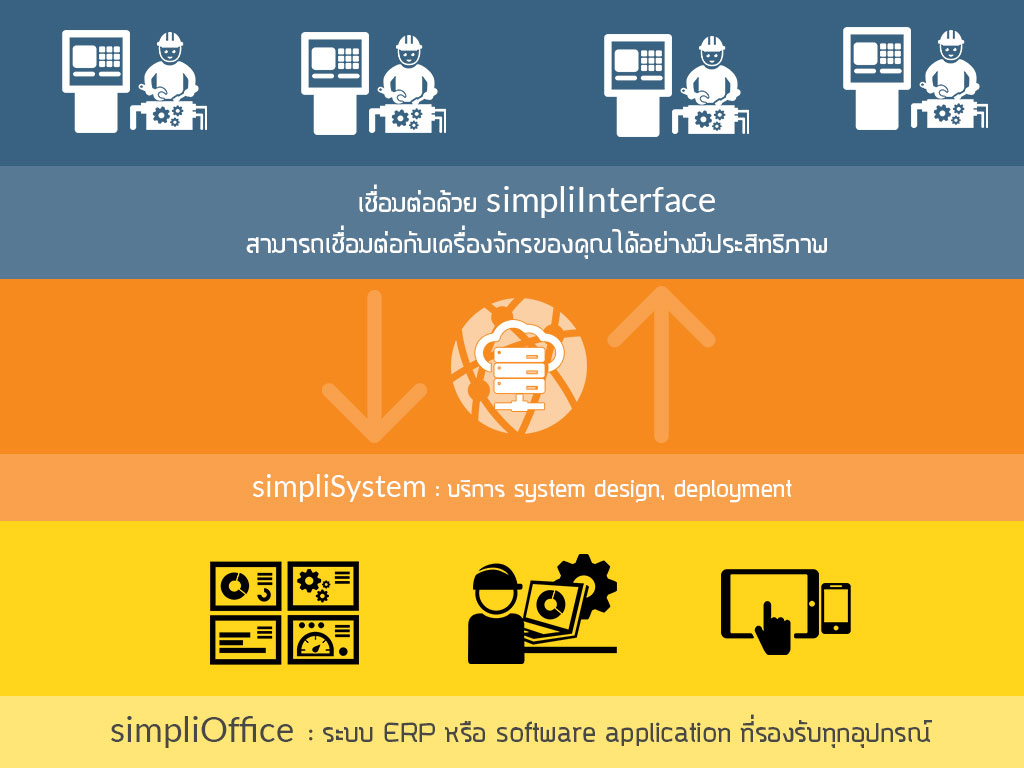
- Designing end-to-end workflows, not isolated features
- Integrating existing systems instead of replacing everything
- Reducing manual work through automation
- Taking responsibility for system reliability, not just delivery
Software Stack We Are Deeply Experienced With
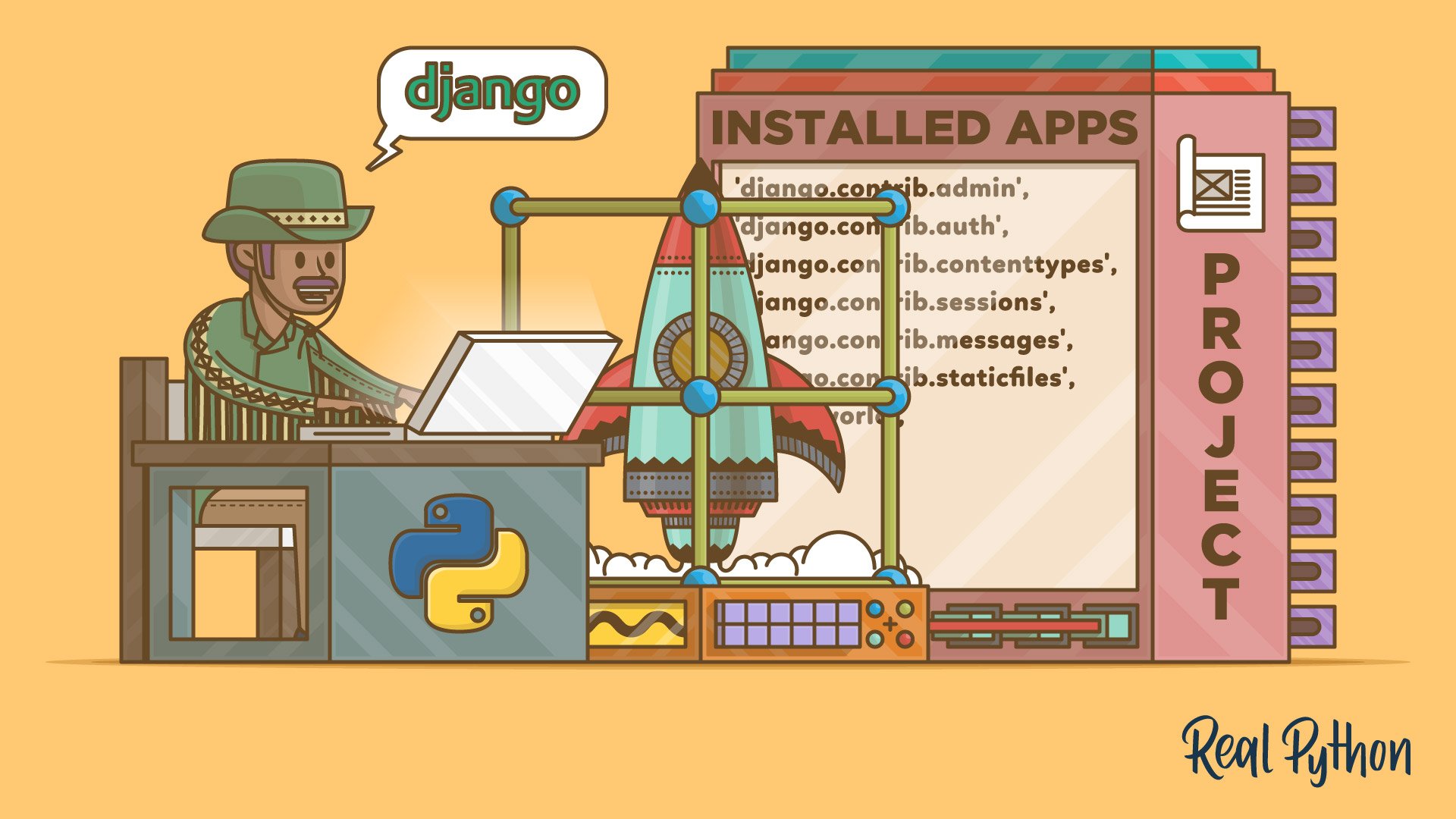
Our strength is not tied to a single tool, but we deliberately choose boring, proven, and integrable technologies that work well in long‑lived systems.
Core Backend & Application Layer
- Python for business logic and integration services
- Django for robust web applications and admin-heavy systems
- FastAPI for high-performance APIs and integration endpoints
- Celery for background jobs, retries, and long-running workflows
Data & Storage
- PostgreSQL as the primary relational database (single source of truth)
- Redis for caching, queues, and transient state
- Structured schema design focused on auditability and traceability
ERP & Business Systems
- Odoo for ERP, accounting, inventory, and procurement
- Custom modules and API-level integration instead of heavy customization
Integration & Automation
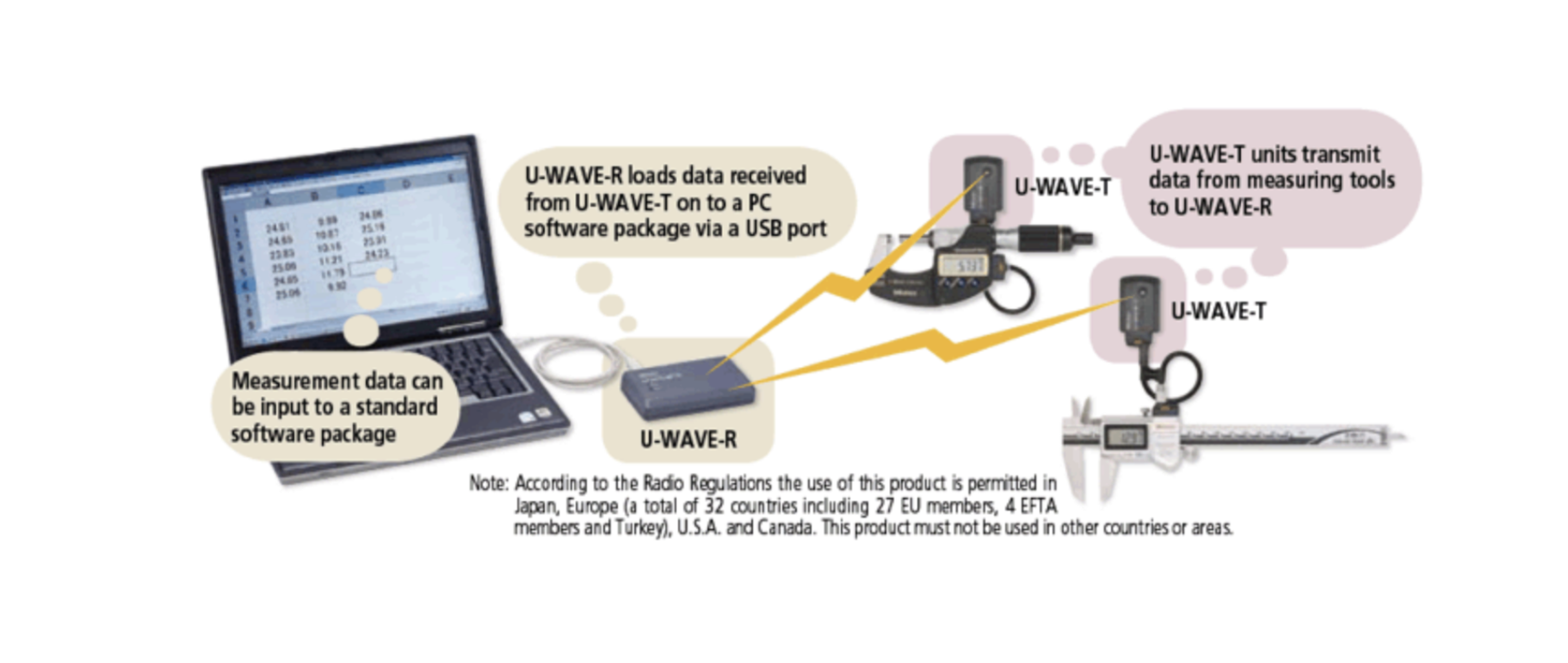
- REST / Webhook-based system integration
- Message-driven workflows for reliability
- Legacy system integration via adapters instead of rewrites
DevOps & Infrastructure
- Docker and Docker Compose for reproducible environments
- Linux-based deployments (cloud or on‑premise)
- CI/CD pipelines focused on safety and rollback
Security & Operations
- Role-based access control and least-privilege design
- Centralized logging and audit trails
- Monitoring and alerting for system health, not just uptime
This stack allows us to move fast where needed, while keeping systems understandable, maintainable, and operable for years.
Bridging Legacy Systems and Modern Technology
Many organizations cannot simply “rewrite everything”.
We specialize in bridging old and new systems:
- Legacy databases
- Existing ERP platforms
- Manual approval flows
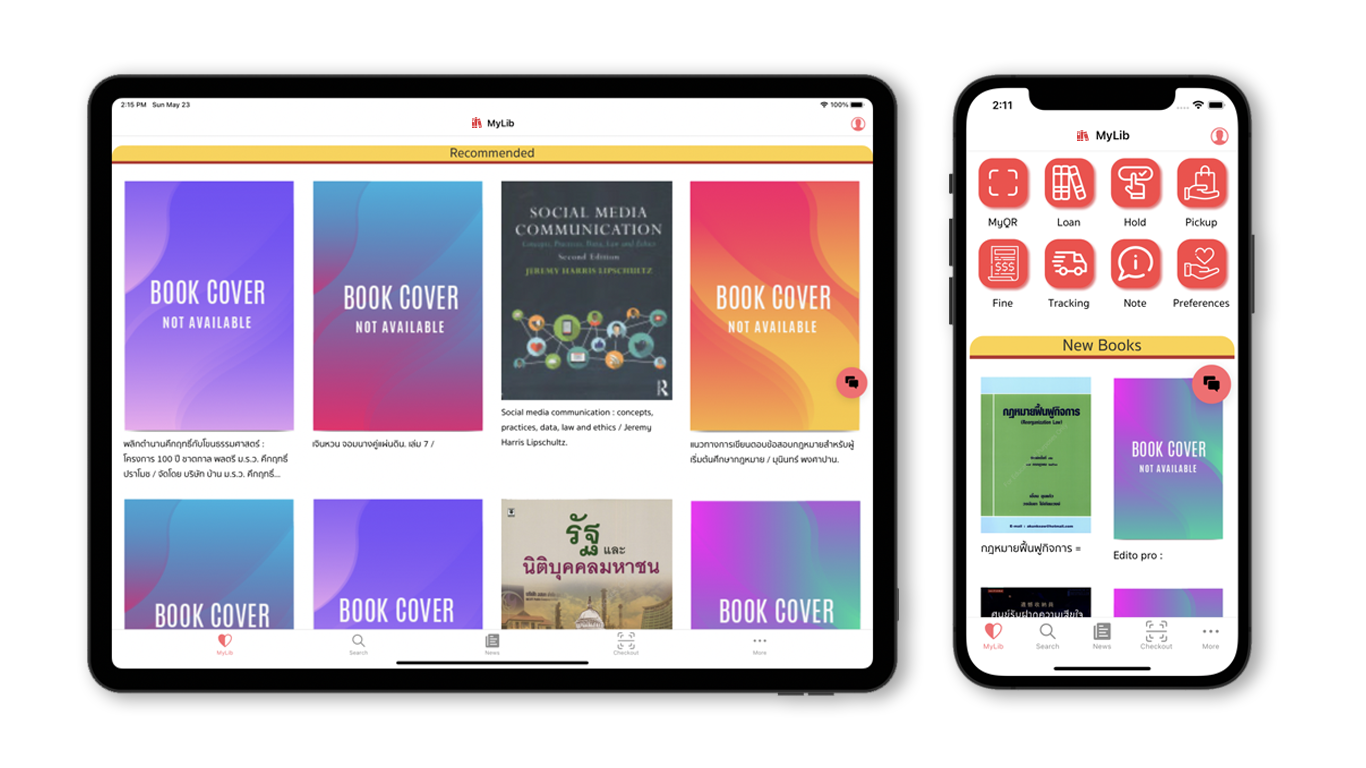
- New web, mobile, and automation layers
Instead of disruption, we focus on controlled evolution.
We Build Systems for Reality, Not Demos
Real systems must handle:
- Partial failures
- Network issues
- Human mistakes
- Regulatory requirements
- Change over time
Our work is designed for:
- Maintainability
- Auditability
- Operational stability
- Long-term ownership
Our Software & Technology Stack
Our system integration work is supported by a broad, production-proven technology stack. We are not tied to a single language or framework — instead, we choose tools that best fit the system constraints, legacy environment, and long-term maintainability of each project.
Programming Languages
We have hands-on experience across multiple programming paradigms:
- Python – primary language for system integration, automation, APIs, and business logic
- JavaScript / TypeScript – web applications, frontend logic, and integration layers
- SQL – data modeling, reporting, and performance tuning
- Shell / Bash – system automation and operations
- Other languages as required by legacy or vendor systems
Application & API Layer
- Django – enterprise-grade backend systems
- FastAPI – high-performance API and integration services
- REST & Webhook architectures for system-to-system communication
Data & Storage
- PostgreSQL – core relational database
- Document-oriented databases for flexible schemas where appropriate
- Redis – caching, queues, and transient state
Integration & Automation
- ERP integration (e.g. Odoo)
- Workflow orchestration for long-running, multi-step business processes
- Robotic Process Automation (RPA) for systems without APIs
- Event-driven integration where reliability and decoupling are required
Infrastructure & Operations
- Docker & containerized deployments
- Linux-based servers (on-premise and cloud)
- Monitoring, logging, and alerting
- Backup, recovery, and failover design
Security & Reliability
- Role-based access control (RBAC)
- Audit logs & traceability
- Error handling, retry, and idempotency for integrations
- Secure API and network design
This stack allows us to build systems that are maintainable, auditable, and adaptable, even as business requirements evolve.
In Short
We are not just software developers.
We are system integrators who code.
Our strength is not a framework or a programming language.
It is the ability to turn complex, fragmented systems into something that actually works.
Get in Touch with us

Chat with Us on LINE
iiitum1984
Related Posts
- ERP项目为何失败(以及如何让你的项目成功)
- Why ERP Projects Fail (And How to Make Yours Succeed)
- Payment API幂等性设计:用Stripe、支付宝、微信支付和2C2P防止重复扣款
- Idempotency in Payment APIs: Prevent Double Charges with Stripe, Omise, and 2C2P
- Agentic AI in SOC Workflows: Beyond Playbooks, Into Autonomous Defense (2026 Guide)
- 从零构建SOC:Wazuh + IRIS-web 真实项目实战报告
- Building a SOC from Scratch: A Real-World Wazuh + IRIS-web Field Report
- 中国品牌出海东南亚:支付、物流与ERP全链路集成技术方案
- 再生资源工厂管理系统:中国回收企业如何在不知不觉中蒙受损失
- 如何将电商平台与ERP系统打通:实战指南(2026年版)
- AI 编程助手到底在用哪些工具?(Claude Code、Codex CLI、Aider 深度解析)
- 使用 Wazuh + 开源工具构建轻量级 SOC:实战指南(2026年版)
- 能源管理软件的ROI:企业电费真的能降低15–40%吗?
- The ROI of Smart Energy: How Software Is Cutting Costs for Forward-Thinking Businesses
- How to Build a Lightweight SOC Using Wazuh + Open Source
- How to Connect Your Ecommerce Store to Your ERP: A Practical Guide (2026)
- What Tools Do AI Coding Assistants Actually Use? (Claude Code, Codex CLI, Aider)
- How to Improve Fuel Economy: The Physics of High Load, Low RPM Driving
- 泰国榴莲仓储管理系统 — 批次追溯、冷链监控、GMP合规、ERP对接一体化
- Durian & Fruit Depot Management Software — WMS, ERP Integration & Export Automation