
Hall effect คือ ค่าความต่างศักย์ ( Voltage difference ) ( Hall Voltage ) ระหว่างสองฝั่งของตัวนำทางไฟฟ้า ( Electrical Conductor ) ที่กระแสไฟฟ้าวิ่งผ่าน โดยในขณะที่กระแสไฟฟ้าวิ่งผ่าน จะมีสนามแม่เหล็กตั้งฉากกับกระแสไฟฟ้า โดยปรากฎการณ์นี้ค้นพบโดย Edwin Hall ในปี คศ. 1879
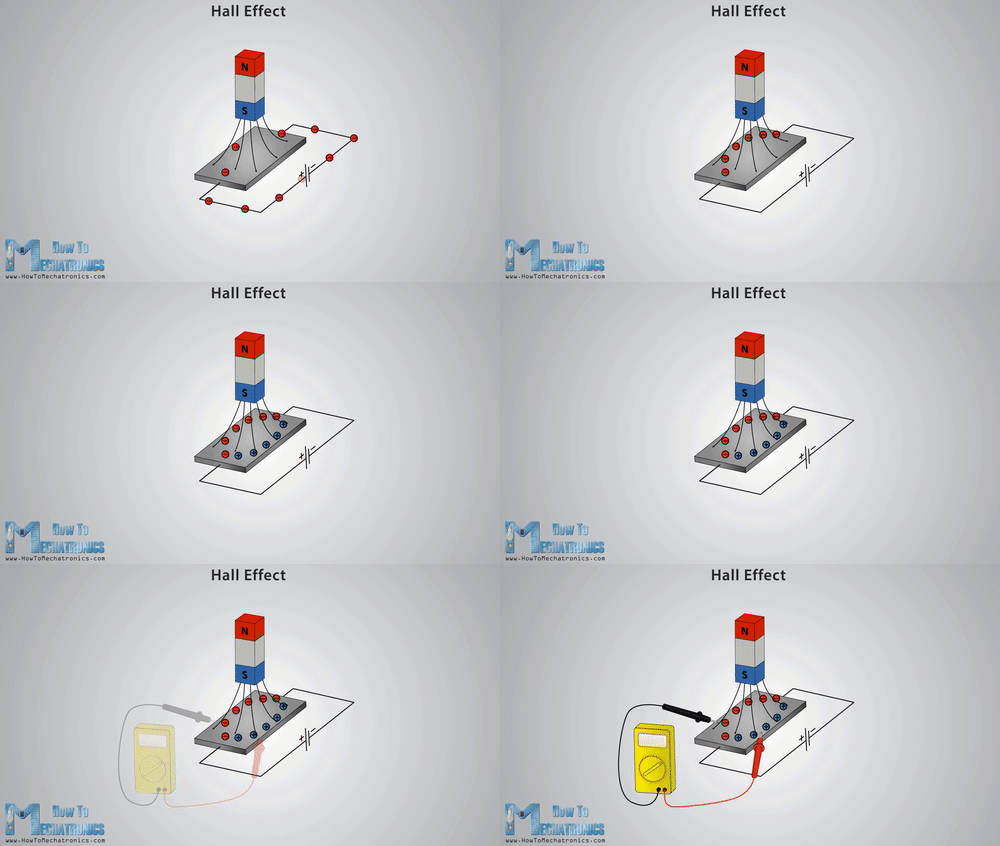
ภาพจาก https://howtomechatronics.com/
หลักการทำงานของ YF-S201 มีหลักการทำงานดังต่อไปนี้
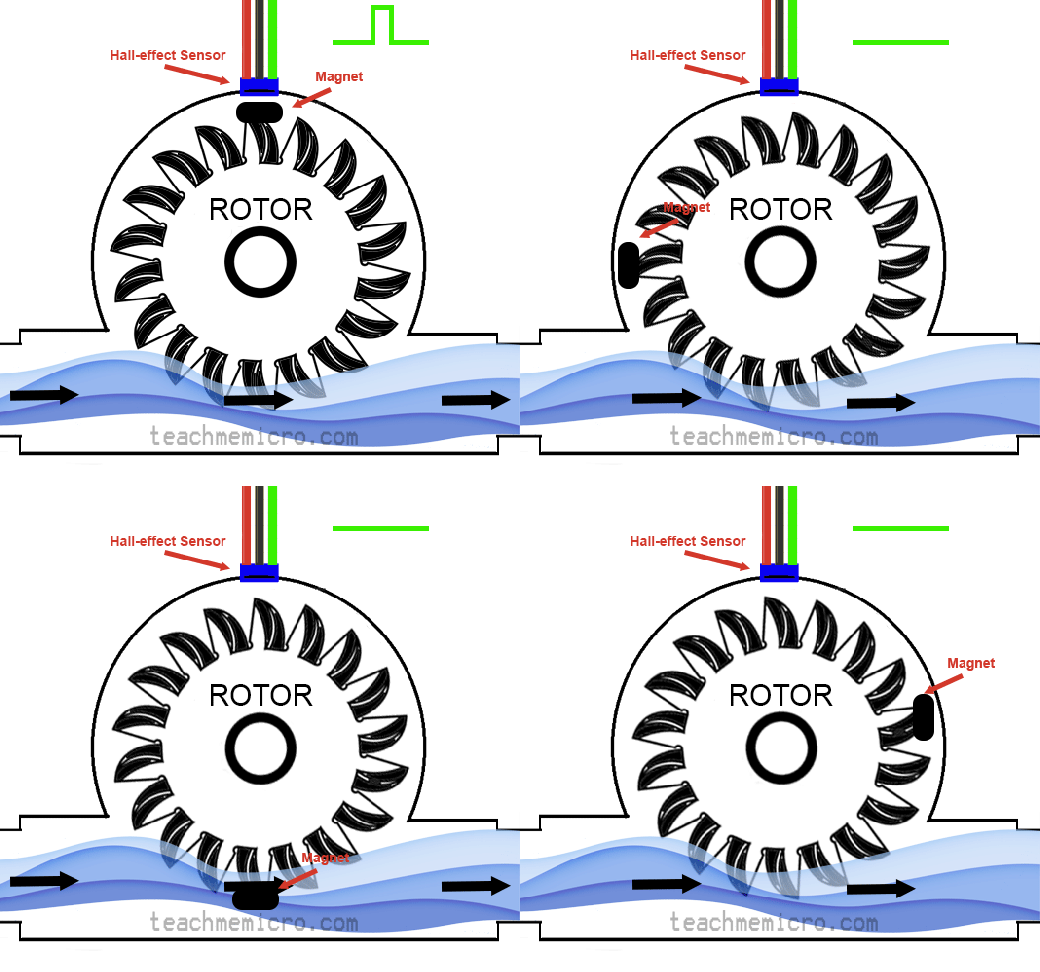
เมื่อ rotor หมุน ด้วยจำนวนรอบต่อนาที ( RPM , rounds per minute ) แปรผันตรงกับความเร็วของการไหลของน้ำ เมื่อ rotate หมุนก็จะเกิด pulse wave ขึ้น โดยความถี่ของ pulse wave แปรผันตรงกับความเร็วของการไหลของน้ำ
ตัวอย่างวงจรของการใช้ Hall Effect Sensor กับ Arduino
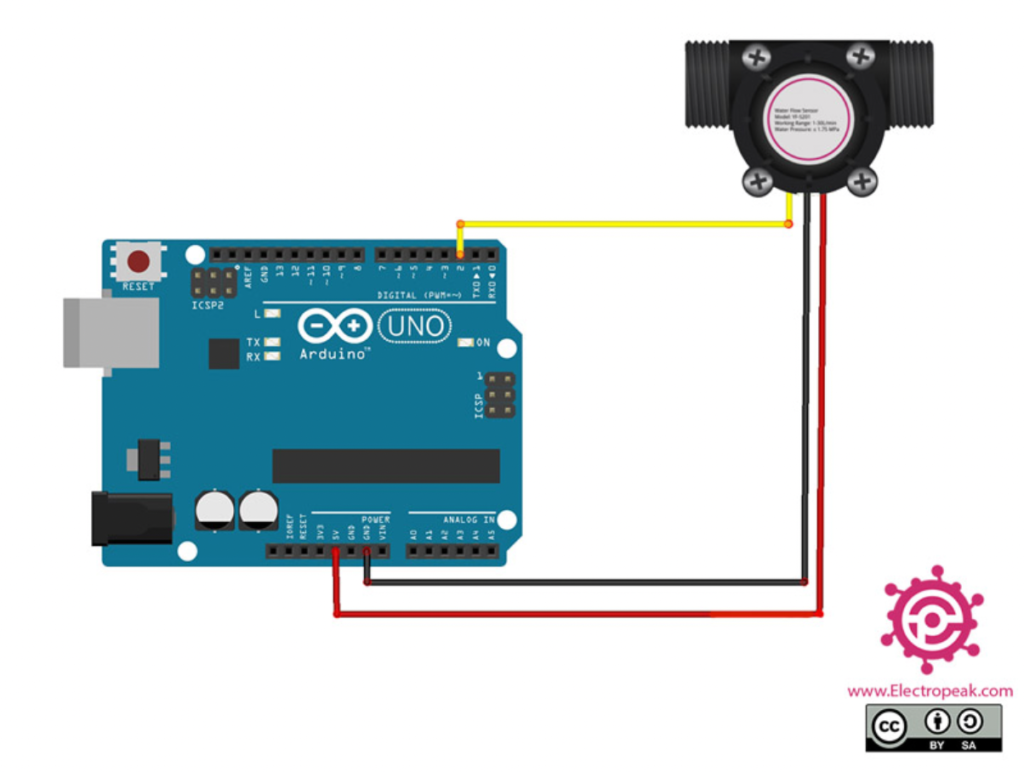
Project นี้สามารถนำไปใช้ในการตรวจสอบการไหลของน้ำ ในสวน/ไร่ ได้ หากน้ำในท่อส่งน้ำไหลน้อยกว่าที่กำหนด ระบบจะแจ้งเตือนไปยังคนดูแลสวน ให้รีบไปตรวจสอบว่าเกิดสิ่งผิดปกติกับท่อส่งน้ำหรือไม่
Latest Posts
- How to Build an ERP From Scratch With Django: Data Model, Workflow, and Architecture August 24, 2026
- How to Make Odoo or ERPNext Faster Again: A Practical Performance Troubleshooting Guide August 24, 2026
- Passkey Enrollment Is Your New Attack Surface: What Pass-the-Passkey Means for Your IdP August 22, 2026
- Your Attacker Might Already Be an AI Agent: What the OpenAI–Hugging Face Incident Means for Your SOC August 17, 2026
- Implementing ERPNext: A Practical Guide to the System, Its Document Model, and Core Workflows August 15, 2026
- Why Accounting Firms Are Moving Off Per-Seat Software — and What It Actually Takes August 10, 2026